

Bees Play a Vital Role Beyond Honey Production
The decline of bees and other pollinators could have far-reaching consequences for human health, nutrition and livelihoods, according to new research highlighting the critical connection between biodiversity and food security.
In Nepal’s remote Jumla district, where around 120,000 people rely largely on locally grown food, beekeepers have reported dwindling honey production and disappearing bee populations over the past decade. Scientists now believe the impact extends far beyond honey supplies.
“They saw these bees as valuable for honey, but they didn’t really realise that they were also essential for supporting the production of their crops,” says Thomas Timberlake, an ecologist at the University of York.
Study Links Pollinators to Better Nutrition and Higher Incomes
Researchers publishing in the journal Nature monitored diets, farming income, crop yields and pollinator activity across 10 villages in Jumla over a year.
The findings revealed that pollinators directly contributed more than 20% of residents’ intake of vitamin A, vitamin E and folate, while supporting 44% of farming income. It is believed to be the first study providing direct evidence of the relationship between pollinators and human health.
“These types of communities are so vulnerable because they are very isolated geographically. There are not good trade links into there, and they’re very poor,” says Timberlake. “If the yields of local fruits and vegetables decline, they are not going to be able to supplement that by buying imported foods. They just are not going to eat those fruits and vegetables.”
Global Pollinator Loss Could Have Serious Health Consequences
Scientists have long recognised the importance of pollinators for agriculture, but research increasingly shows their value extends to public health.
A modelling study published in 2015 estimated that the complete collapse of global pollinator populations could contribute to an additional 1.4 million deaths each year linked to malnutrition-related diseases.
Sam Myers, director of the Johns Hopkins Institute for Planetary Health and co-author of that research, said his team wanted to understand the impacts already occurring today.
“We hope that pollinators are not going to collapse completely. So … what can we say about the penalty we’re paying today from insufficient pollinators?”
Bees Support Around Three-Quarters of Agricultural Crops
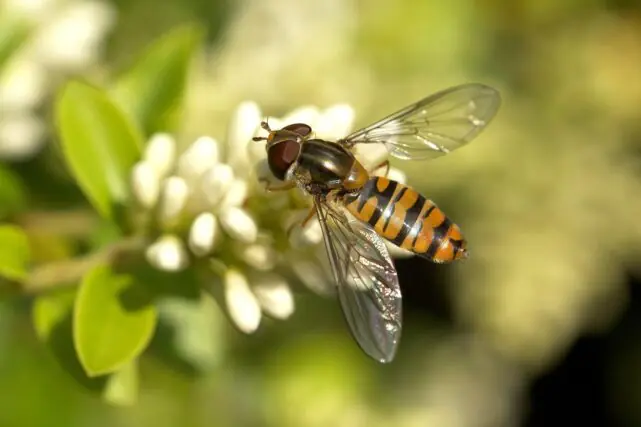
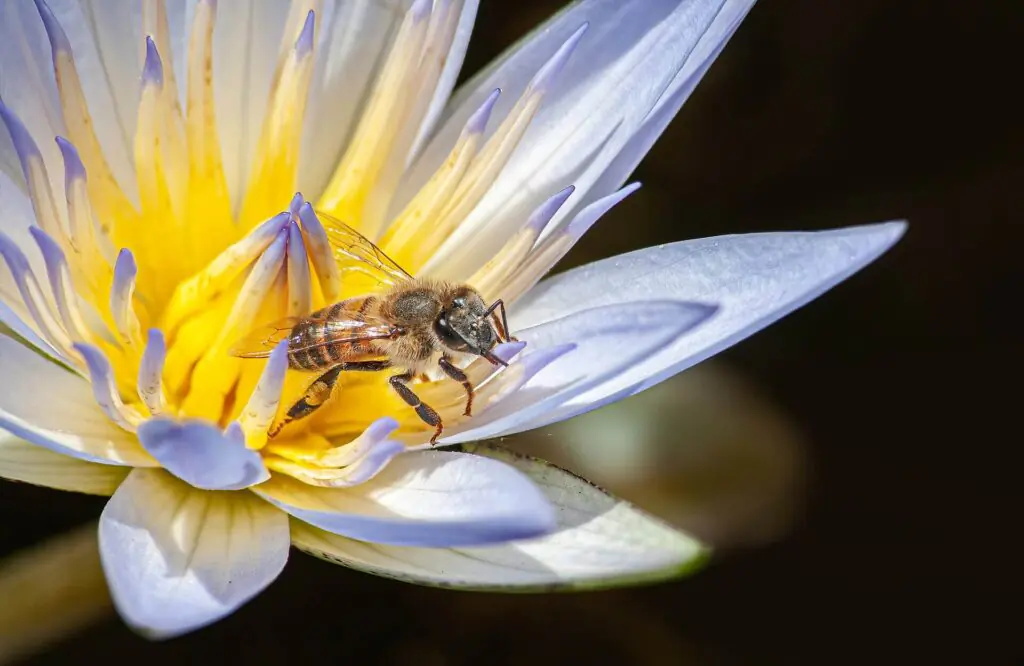
While birds, bats and butterflies all contribute to pollination, bees remain among the most important species for global food production. By transferring pollen between flowers, they enable many crops to produce fruits and seeds.
Around three-quarters of agricultural crops depend to some extent on pollinators, making healthy bee populations essential for maintaining food supplies and nutritional diversity.
Habitat Loss, Pesticides and Climate Change Put Pollinators at Risk
Experts warn that pollinator populations face mounting threats from habitat destruction, intensive agriculture, pesticide use, invasive species and climate change.
According to previous international assessments, more than 40% of bee species may be threatened globally, although many regions still lack sufficient monitoring data.
“The big picture remains the same,” says Simon Potts, a biologist at the University of Reading who co-chaired the assessment. “Evidence suggests that, where we have data, there are definitely declines in most groups of wild pollinators. As is always the case, the best evidence and data comes from North America and Europe.”
Recent assessments have also identified at least 172 bee species in Europe that are at risk of disappearing.
Wild Pollinator Declines Are Already Affecting Food Production
Although managed honeybee colonies remain relatively stable in many places, scientists caution they cannot fully replace wild pollinators.
2022 research suggests that between 3% and 5% of global fruit, vegetable and nut production is already being lost because of inadequate pollination.
According to Myers, the consequences extend well beyond farming.
“Most of that mortality was in parts of eastern Europe, and former Soviet Republic places,” says Myers. Fruit, vegetables, nuts and seeds help to prevent heart disease, stroke and diabetes. “These metabolic diseases are much more prevalent in places where they’ve already transitioned into sedentary lifestyles, and where they have diets full of red meat.
“If we lose our pollinators around the world, those commodities are going to get more expensive because the yields are going to fall. What that means for middle-class families … is they’re not going to be able to afford the most nutritious foods that help protect them.”
Developing Nations May Face the Greatest Risks
Computer modelling suggests tropical regions, including parts of sub-Saharan Africa, northern South America and south-east Asia, could experience some of the most severe crop pollination shortfalls as climate change and agricultural expansion continue.
Jumla reflects many of these wider challenges. Local beekeepers have linked bee declines to changing climate conditions and the disappearance of flowering plants, while expanding monoculture farming and pesticide use threaten natural habitats.
“It’s losing [pollinator] habitat quite quickly because of the expansion of crop monocultures and introduction of new pesticides,” Timberlake says.
If pollinator populations continue to decline, he warns: “people are going to start to consume more of the non-pollinator dependent foods, like grains and cereal, that don’t have those key nutrients”.
Pollinators Also Support Medicine and Mental Wellbeing
The benefits of bees extend beyond food production. Thousands of medicinal plants used in traditional healthcare rely on insect pollination, while healthy ecosystems supported by pollinators contribute to green spaces that improve environmental quality and human wellbeing.
Researchers say demonstrating these links could strengthen public support for pollinator conservation and encourage governments to invest in practical solutions.
“Hopefully, decision-makers will start to explore best practices for ensuring a healthy pollinator population as part of ensuring a healthy human population.”
Simple Conservation Measures Could Deliver Big Benefits
Encouragingly, the Nepal research suggests relatively simple interventions could make a significant difference. Planting wildflowers, creating nesting habitats and reducing pesticide use could increase farmer incomes by up to 30% while improving nutrition enough to lift around 9% of the population out of nutrient deficiency.
As pollinator populations continue to face pressure around the world, protecting bees and their habitats may prove essential not only for biodiversity but also for the health, resilience and food security of millions of people.
Protecting Pollinators for People and Nature
At Natural World Fund, we recognise that safeguarding bees, butterflies and other pollinators is vital for healthy ecosystems, sustainable food production and human wellbeing. By supporting habitat restoration, reducing pesticide use and promoting biodiversity-friendly practices, we can help protect the species that underpin our food systems and strengthen the resilience of communities around the world.
If you care about restoring native wildlife, support the work of Natural World Fund today.
Image sources
- Bee_in_Loto_in_Botanical_Garden_of_São_Paulo by Wilfredor. Cropped and resized from original: Wikipedia Commons
- Episyrphus_balteatus_(De_Haan) by Hans Hillewaert. Cropped and resized from original: Wikipedia Commons