

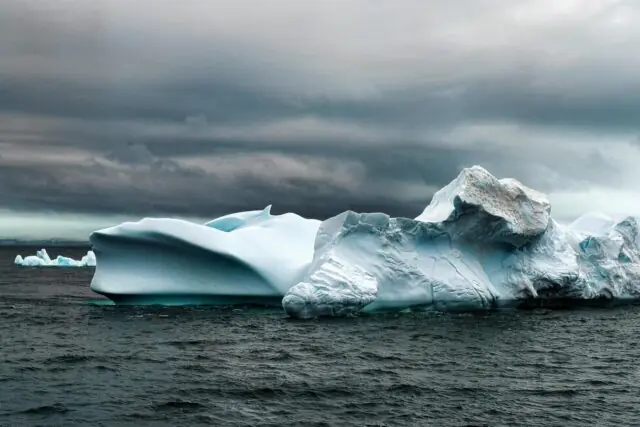
Antarctic Winter Heat Record Shattered as Temperatures Exceed 15C
Temperatures in the Antarctic have surged above 15C during June, smashing previous winter records and prompting renewed concern among scientists about the accelerating impacts of climate change.
The unprecedented warmth, recorded during what should be one of the coldest periods of the year, has led to melting snow and ice across parts of the Antarctic Peninsula and highlighted the growing vulnerability of one of Earth’s most important frozen regions.
Record-Breaking Antarctic Temperatures
The new winter temperature record was recorded at the Argentinian Esperanza research station on the Trinity Peninsula on 6 June, where the mercury reached 15.4C during an extended heatwave.
For more than three consecutive weeks, daily maximum temperatures remained above freezing – an extraordinary event for the Antarctic winter.
Scientists reported that the reading exceeded the previous record, also set at Esperanza in 1998, by 2C.
Climate researcher Raúl Cordero described the event in stark terms, saying: “This is absolutely crazy. It is also about 20C above normal for this time of the year. That is a huge anomaly.”
Warm Northern Winds Fuel Unusual Heatwave
Researchers say the exceptional warmth was driven by unusually strong northerly winds that transported milder air across much of the Antarctic Peninsula.
A Chilean weather station at Boonen Rivera reportedly recorded temperatures approaching 13C during the same period, underlining the scale of the regional warming event.
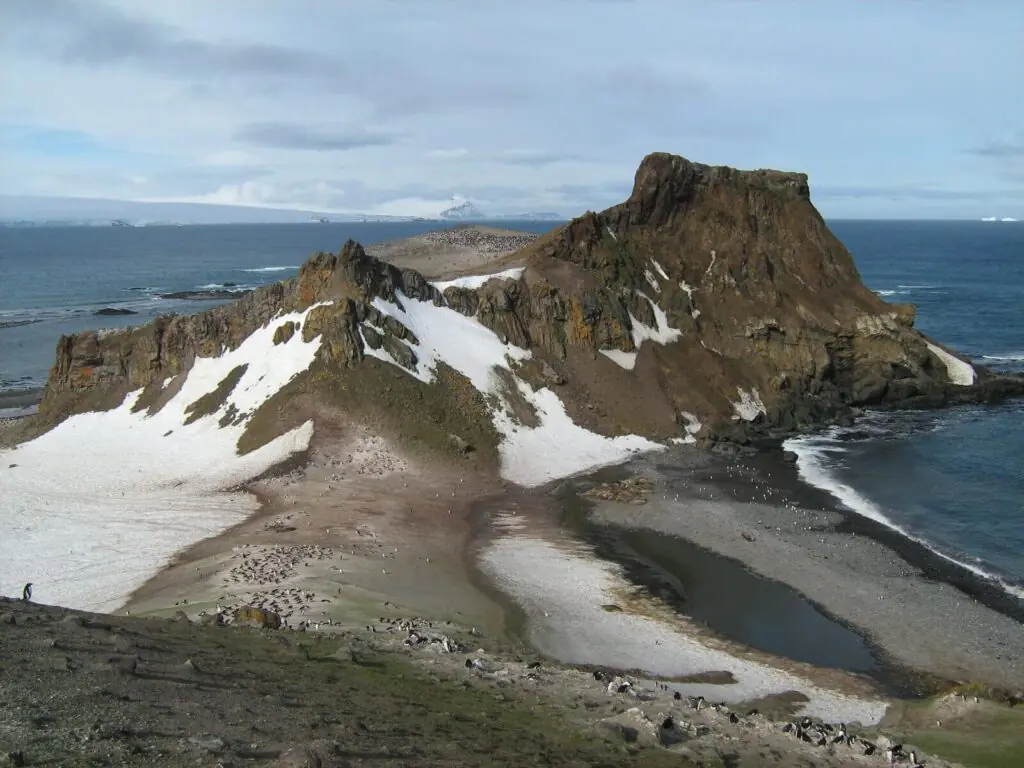
Snow and Ice Melt Across King George Island
The effects of the heatwave were clearly visible on King George Island, located around 100 miles (160km) from Esperanza.
Scientists working there observed the landscape transform from predominantly white to shades of brown, grey and green after temperatures climbed to 4.6C on 6 June.
Chilean glaciologist Luis Muñoz described the dramatic conditions:
“Last weekend was very strange. The temperatures here went very high so everything outside melted. Usually there is 20cm of snow and a lot of ice on the ground at this time.”
Glacier Experiences Winter Melting
Muñoz and fellow researcher Natalia Mestre later climbed the nearby Collins Glacier and found rainfall actively melting ice at an elevation of 500 metres.
Reflecting on the experience, Muñoz said:
“There was a direct impact on the glacier, which should be receiving snow now. It should not be suffering ablation at this time of the year. This is obviously not good for the glacier.”
The observations suggest that conditions normally associated with summer are increasingly occurring during the Antarctic winter.
Scientists Warn of Long-Term Climate Risks
The Antarctic is facing mounting pressure from both direct human activities, including tourism and resource exploration, and the wider effects of greenhouse gas emissions that are warming the planet.
Scientists have warned that major ice systems such as the Thwaites and Pine Island glaciers may be nearing critical tipping points, with significant implications for future global sea levels. Antarctic ice loss has also been linked to changes in the circulation of the world’s oceans.
However, experts caution that a single winter heatwave alone is unlikely to dramatically alter sea levels.
Cordero explained that the event reflects a broader pattern:
“This heatwave happened because of extremely strong westerlies. This has been happening with increasing frequency since the 1980s, and that is known to be related to climate change.”
What the Antarctic Heatwave Means
While isolated weather events do not define long-term climate trends on their own, scientists say the record-breaking Antarctic temperatures add to growing evidence that the polar regions are experiencing increasingly extreme conditions.
As warming episodes become more frequent, researchers will continue monitoring how changes in Antarctica affect glaciers, sea ice, global ocean circulation and global climate systems.
Supporting Climate Action and Conservation
At Natural World Fund, we recognise that protecting fragile ecosystems like Antarctica is essential for maintaining global biodiversity and climate stability. Rising temperatures, melting ice and changing weather patterns demonstrate the urgent need to reduce greenhouse gas emissions while supporting conservation initiatives that safeguard vulnerable habitats and wildlife for future generations.
If you care about restoring native wildlife, support the work of Natural World Fund today.
Image sources
- Lions_Rump_King_George_Island_1 by Acaro. Cropped and resized from original: Wikipedia Commons
- King_george_island_20130103_3642_(15847468511) by Christopher Michel. Cropped and resized from original: Wikipedia Commons