

Tropical Flowers Blooming Out of Sync Due to Climate Change
Tropical flowers are blooming significantly earlier or later than in previous decades, highlighting the growing impact of climate change on some of the world’s most biodiverse ecosystems. A major study analysing more than 8,000 plant records spanning 200 years reveals that these shifts could trigger serious disruptions across entire ecosystems.
Researchers examined plant specimens from tropical regions including Brazil, Ecuador, Ghana, and Thailand—areas known for their rich biodiversity but historically under-researched. The findings show clear changes in flowering times, challenging long-held assumptions about the resilience of tropical environments.
For example, Brazil’s amaranth tree now flowers up to 80 days later than it did in the 1950s. In contrast, Ghana’s rattlepod shrub has shifted its flowering period 17 days earlier between the 1950s and 1990s. These changes were identified through detailed analysis of preserved plant specimens in museum collections.
Climate Change Impacts Extend to the Tropics
Scientists previously believed that tropical ecosystems would be less affected by climate change due to relatively stable temperatures year-round. However, this new research confirms that even these regions are experiencing significant ecological disruption.
“This is a major problem, because not only do the tropics make up a third of the globe, but they are the most biodiverse ecosystems on Earth,” said lead researcher Skylar Graves from the University of Colorado Boulder.
She added that “nowhere on Earth is unaffected by climate change”.
On average, flowering times have shifted by around two days per decade across 33 tropical plant species studied between 1794 and 2024. This evidence reinforces the reality that no region on Earth is immune to climate change.
“These changes, and more in turn, fracture communities and food chains,” the researchers wrote in the paper published in the journal Plos One, describing the changes as potentially causing “cascading impacts across entire ecosystems”. The tropics is a “large blind spot regarding understanding the global impacts of climate change”, they wrote.
Cascading Effects Across Ecosystems
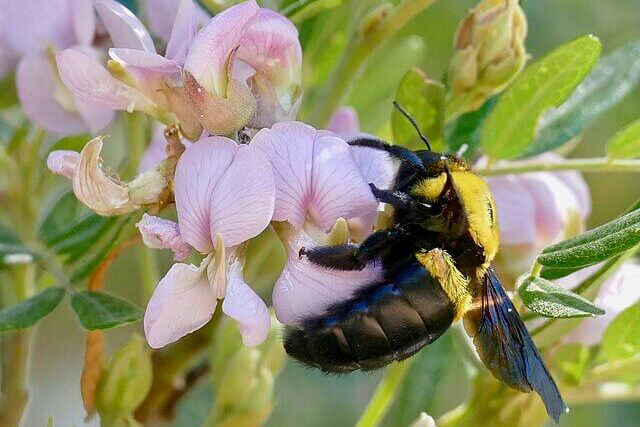
Changes in flowering times can create a ripple effect throughout ecosystems. Plants, pollinators, and animals rely on tightly synchronised life cycles. When these natural timings fall out of alignment, it can disrupt food chains and biodiversity.
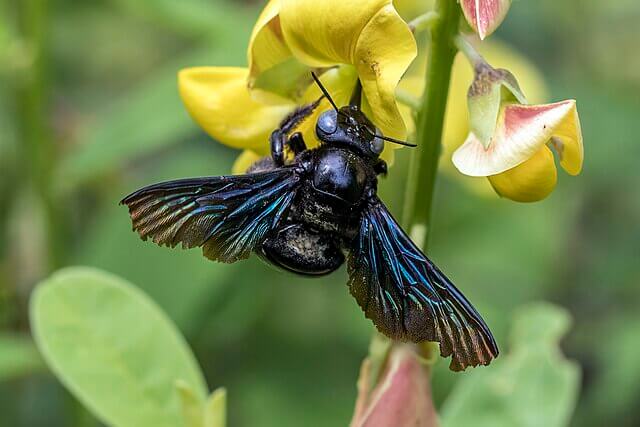
For instance, if a plant flowers when its pollinator—such as a migratory bird—is absent, pollination may fail. Similarly, fruit-eating animals may struggle to find food if plants produce fruit at unexpected times. These mismatches threaten species survival and ecosystem stability.
“Ecosystems are very delicate webs of interactions, and if there is one element out of sync, especially with the plants, which are the basis of the ecosystem, things can fall apart at every level of the ecosystem,” said Graves.
Threats to Wildlife and Biodiversity
Many animals that depend on tropical plants, including primates, are already vulnerable. As flowering patterns shift, the availability of food sources becomes unpredictable, increasing the risk to these species.
Additionally, scientists continue to discover nearly 180 new plant species in tropical regions each year, underlining how much remains unknown—and at risk—within these ecosystems.
The study showed impacts similar to changes documented in temperate, boreal and alpine desert plants.
“If climate change strengthens or brings forward a flowering cue, a species may flower earlier. If it disrupts or delays that cue, flowering can be pushed later. That’s why we see both advances and delays, even within the same region,” said Graves.
A Critical Blind Spot in Climate Research
The study highlights tropical ecosystems as a major gap in global climate research. Despite their importance to planetary health, these regions have not been studied as extensively as temperate zones.
Understanding how climate change affects tropical biodiversity is crucial, as disruptions in these ecosystems can have far-reaching consequences for the entire planet.
“The tropics are at just as much risk as the temperate location you call home, and because of that, just as much effort is needed in the conservation of these ecosystems,” said Graves.
Protecting Tropical Ecosystems Is Essential
Tropical ecosystems play a vital role in maintaining global environmental balance. As climate change continues to alter natural cycles, urgent action is needed to protect these habitats and the species that depend on them.
Without intervention, the shifting rhythms of nature in the tropics could lead to widespread ecological consequences, affecting not only local biodiversity but global ecosystems as a whole.
Dr Emma Bush from Royal Botanic Garden Edinburgh, who was not involved in the research, said: “The complex seasonality of tropical ecosystems has been understudied and misunderstood for far too long … This highlights how much more work is needed to document and understand tropical ecosystems and the impact climate change is having on them.”
She added: “This study adds to the mounting evidence that the different elements of ecosystems may be responding to a changing climate at different rates. When plants, insects and other animals are out of sync they could all lose out – and the risk is that we lose biodiversity that benefits people, too.”
At Natural World Fund, we recognise that climate change is disrupting the natural rhythms that ecosystems depend on—particularly in the world’s most biodiverse tropical regions. By supporting conservation efforts, protecting habitats, and advocating for urgent climate action, we can help restore balance to these fragile ecosystems and safeguard the species that rely on them.