

Tropical Rainforest Loss Falls in 2025, but Global Forests Remain Under Threat
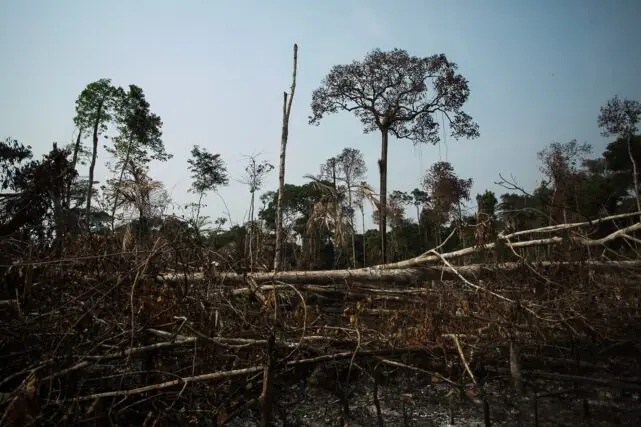
New satellite data suggests that the rate of tropical rainforest destruction slowed in 2025, largely driven by progress in Brazil’s efforts to curb deforestation in the Amazon. While the decline offers some optimism, scientists warn that the world’s most valuable ecosystems continue to disappear at an unsustainable pace.
Researchers estimate that nearly 43,000 square kilometres of old-growth tropical rainforest were lost globally in 2025 — an area roughly equivalent to the size of Denmark.
Although this represents a significant reduction compared with record-breaking losses in 2024, experts caution that forest destruction remains considerably higher than levels recorded a decade ago.
Tropical Forest Loss Drops by More Than One Third
According to analysis by the World Resources Institute and the University of Maryland, tropical forest loss fell by 36% during 2025.
Scientists note that satellite measurements can contain some uncertainty because deforestation occurring late in one year may not be fully identified until the following year. However, researchers remain confident that the broader downward trend is genuine.
Part of the decline can be linked to a reduction in the severe fires that devastated forests in 2024. Cooler La Niña conditions helped ease extreme temperatures and dry conditions, replacing the warmer El Niño climate pattern that had intensified wildfire risk.
Researchers also credit stronger conservation and forest protection efforts in several countries, including Brazil, Colombia and Malaysia.
“It’s incredibly encouraging to see the decline in 2025,” said Elizabeth Goldman, co-director of Global Forest Watch at the World Resources Institute.
“[It] highlights how when we have political will [and] the leaders in charge who want to do something for forests, we can see real results in the data,” she added.
Brazil’s Amazon Policies Deliver Positive Results
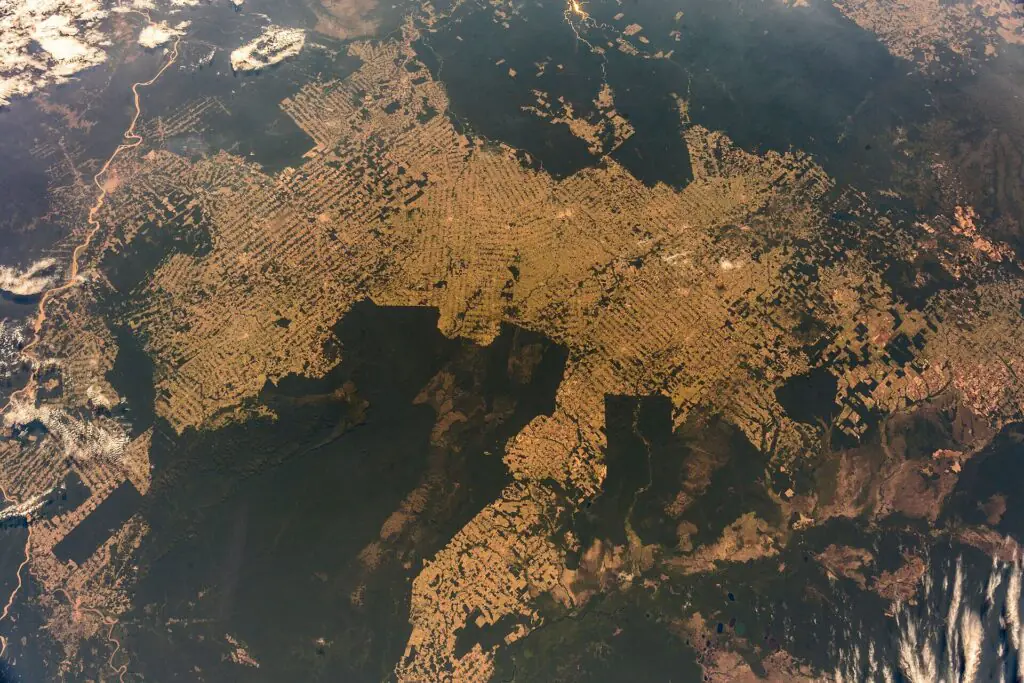
Brazil, home to the largest tropical rainforest on Earth, has shown some of the most encouraging signs of progress.
Researchers say strengthened environmental protections and improved law enforcement measures have contributed significantly to reducing deforestation rates.
When forest losses caused by fires are excluded, approximately 5,700 square kilometres of old-growth tropical forest disappeared in Brazil during 2025 — the lowest level recorded since monitoring began in 2002.
The findings suggest that policy action and environmental enforcement can have a measurable impact on protecting vital ecosystems.
Why Tropical Rainforests Matter
Tropical rainforests are among the planet’s most important ecosystems. They provide habitat for millions of species and act as major carbon sinks, absorbing large amounts of carbon dioxide from the atmosphere and helping regulate global temperatures.
However, these forests have faced mounting pressure for decades due to:
- Agricultural expansion
- Logging and land clearance
- Infrastructure development
- Human-driven climate change
- Increasing wildfire activity
Scientists warn that climate change can create hotter, drier conditions that allow fires to spread more rapidly and cause greater damage.
Climate Change and El Niño Raise Fresh Concerns
Despite the positive trend seen in 2025, researchers remain worried that tropical forests could face renewed pressure later this year.
Climate experts warn that the combined effects of ongoing global warming and a possible return of El Niño conditions may increase both the frequency and severity of wildfires.
While predictions remain uncertain, the possibility of another year of intense fires highlights the fragile state of global forests.
“Climate change and land clearing have shortened the fuse on global forest fires,” said Prof Matthew Hansen of the University of Maryland.
“Without urgent action to […] manage fire more effectively, we risk pushing the world’s most important forests past recovery.”
Global Forest Targets Remain Off Track
At the COP26 climate summit in Glasgow in 2021, world leaders committed to halting and reversing global forest loss by 2030.
However, current trends suggest progress remains far behind what is needed to meet that goal.
The record forest losses seen in 2024 demonstrated how quickly climate-related pressures can undermine conservation gains, and scientists say sustained action will be essential if governments hope to keep their promises.
“Forests are well equipped to cope with normal climate,” said Rod Taylor, global director for forest and nature conservation at the World Resources Institute.
“With these new intense fires and droughts and so on, we really have to think about how to make forests more resilient and proof them against climate and fire,” he added.
Europe Faces Growing Climate Pressures
Separate findings from the EU’s Copernicus climate service revealed that Europe continued to experience significant climate impacts throughout last year.
Europe remains the fastest-warming continent in the world, with around 95% of the region recording above-average temperatures.
The warmer conditions contributed to:
- Intense heatwaves
- Widespread droughts
- Increased wildfire activity
- Accelerated glacier melt
More than 10,000 square kilometres of land burned across Europe during the year — exceeding the total area of Cyprus.
Traditionally colder regions also experienced significant warming, with Arctic Circle temperatures reaching 30°C during July and Alpine glaciers continuing to lose ice mass.
Average sea surface temperatures also reached record highs, particularly in the Mediterranean.
Renewable Energy Progress Offers Hope
Despite the climate challenges, the report also highlighted encouraging progress in clean energy.
Nearly half of Europe’s electricity now comes from renewable sources including wind, solar and hydropower.
As countries continue transitioning towards cleaner energy systems, experts say reducing emissions alongside protecting forests will be critical in limiting future climate impacts.
Support UK Rewilding Efforts
At Natural World Fund, we support conservation efforts that protect and restore ecosystems across the planet. Tropical rainforests are essential for biodiversity, climate regulation and the health of our natural world. Protecting these landscapes today is vital for ensuring a stable and resilient future for wildlife and people alike.
If you care about restoring native wildlife in the UK, support the work of Natural World Fund today.
Image sources
- Amazon_rainforest_(Satellite_picture)_-_3 by Alexander Gerst. Resized from original: Wikipedia Commons
- Desmatamento_e_Queimdas_2020_(50223713453) by Bruno Kelly. Resized from original: Wikipedia Commons