

Sewage and Farm Pollution Threatens UK Seagrass Meadows and Marine Life
New research has revealed that sewage discharges and agricultural pollution entering rivers are having an alarming impact on underwater ecosystems around the British coastline. Scientists say excessive nutrient pollution is damaging vital seagrass meadows and dramatically reducing the abundance and diversity of marine life living within them.
The findings highlight how pollution from human activity on land can create serious consequences beneath the sea, affecting habitats that play a crucial role in biodiversity and climate regulation.
What Are Seagrass Meadows and Why Are They Important?
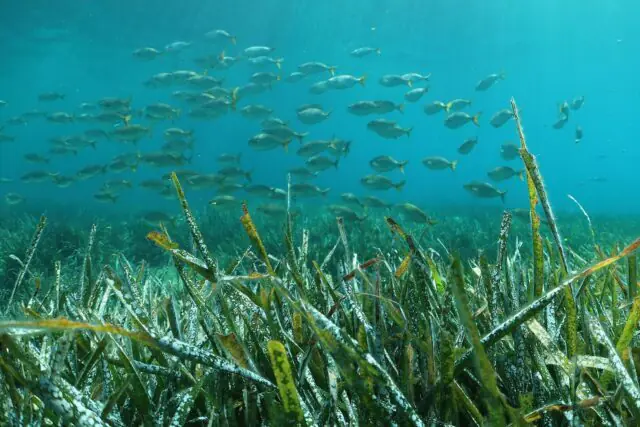
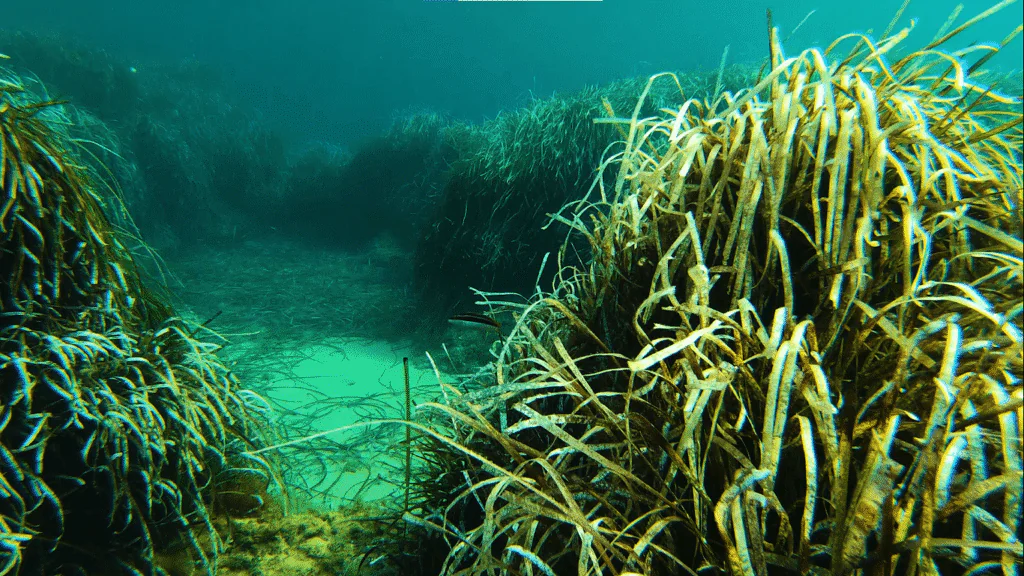
Seagrasses are flowering plants that grow in shallow, sheltered coastal waters, creating dense underwater meadows often referred to as underwater forests.
These habitats are among the most valuable ecosystems in the world. Seagrass meadows:
- Capture and store large amounts of carbon dioxide
- Help combat climate change
- Improve water quality
- Provide breeding and shelter areas for marine species
- Support rich biodiversity
Researchers estimate that just one hectare of healthy seagrass habitat can support up to 100 million small marine invertebrates, including crabs, shrimps, snails and other essential species that form the foundation of coastal food chains.
Nutrient Pollution Is Damaging Coastal Ecosystems
The research investigated 16 coastal sites around Britain that had varying levels of nutrient pollution, a process known as eutrophication.
Eutrophication occurs when excessive amounts of nutrients such as nitrogen and phosphorus enter waterways. Major sources include:
- Sewage discharges
- Agricultural fertilisers
- Farm manure runoff
- Industrial wastewater
When nutrient levels rise too high, algae can rapidly grow across water surfaces and seagrass habitats.
This process causes several harmful effects:
- Algae blocks sunlight needed by seagrass plants
- Oxygen levels in the water decline
- Seagrass beds become smothered
- Marine habitats begin to deteriorate
Scientists warn that this chain reaction creates major consequences for species relying on these underwater environments.
Research Finds Major Declines in Marine Life
The study found a strong relationship between rising nitrogen concentrations and declining marine biodiversity.
Higher nitrogen levels were consistently linked to significant reductions in both:
- Overall animal abundance
- Species diversity
Researchers found that increased nitrogen levels could potentially lead to around a 90% reduction in marine life abundance within available habitat areas.
Phosphorus pollution also had severe impacts, particularly within lagoon environments where researchers observed what they described as devastating effects on biodiversity.
Thames Estuary and Firth of Forth Among Worst-Affected Areas
Some of the most heavily impacted seagrass sites included:
- The Thames Estuary along the Essex coastline
- The Firth of Forth in eastern Scotland
These areas showed seagrass meadows heavily covered by algae linked to nutrient pollution.
Scientists also identified concerns around sites in Wales, including Skomer Island, internationally recognised as an important wildlife area. Researchers noted that natural nutrient inputs from seabird colonies, alongside human-related pollution, may both contribute to environmental pressures there.
Clear Waters Support Richer Marine Biodiversity
Researchers observed very different conditions in healthier marine environments with clearer water.
Areas such as the Isles of Scilly and the Orkney Islands supported much richer ecosystems, with greater numbers and diversity of marine species.
The contrast demonstrates how water quality can directly influence the health of coastal habitats and wildlife populations.
Growing Concerns Around Sewage Pollution
Public concern over sewage pollution has intensified in recent years, particularly regarding the health of rivers, estuaries and coastal waters around the UK.
Beyond affecting human recreation and water quality, this latest research suggests pollution is also quietly reshaping marine ecosystems below the surface.
The study, published in the Global Ecology and Conservation journal, adds further evidence that improving river and wastewater management may be essential not only for inland waterways, but also for protecting the UK’s coastal wildlife and important blue carbon habitats.
Support UK Rewilding Efforts
At Natural World Fund, we support conservation efforts that protect and restore vital ecosystems both on land and at sea. Seagrass meadows are among the world’s most important habitats, supporting marine biodiversity, improving water quality and helping to store carbon that would otherwise contribute to climate change. Protecting these underwater ecosystems from pollution is essential for safeguarding wildlife and maintaining healthier seas for future generations.
If you care about restoring native wildlife in the UK, support the work of Natural World Fund today.
Image sources
- Posidonia_oceanica_meadow_and_school_of_Salema_porgy_-_Exploration_and_observation_-_Calanque_de_Sormiou_-_June_2022 by Karim saari. Cropped and resized from original: Wikipedia Commons