

UK Government Set to Miss Wildlife and Environmental Targets, Watchdog Warns
The UK government is on course to miss its legally binding targets to protect wildlife and the environment in England, according to a stark new report from the Office for Environmental Protection (OEP).
The independent watchdog found that England is failing on almost all key environmental measures, raising serious concerns about the future of nature, biodiversity, and public safety.
Environment Act 2021 Targets Unlikely to Be Met by 2030
In its latest assessment, the OEP concluded that seven out of 10 environmental targets set under the Environment Act 2021 have little chance of being achieved by the 2030 legal deadline.
The remaining three targets — clean air, reducing environmental hazards, and improving the beauty of nature — are only partially on track, with progress too slow to guarantee success.
Biodiversity Loss in England Continues Unchecked
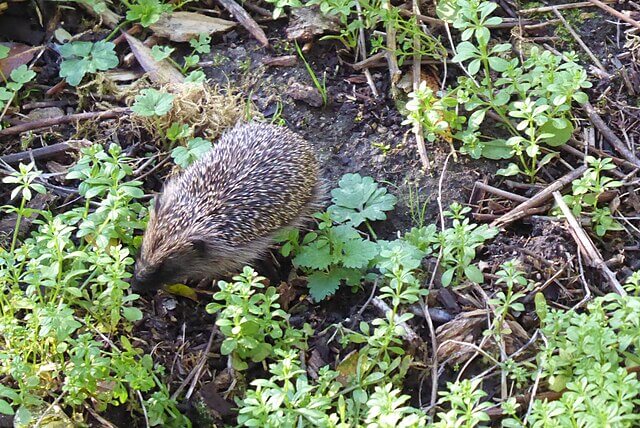
The report highlights that the biodiversity target, aimed at halting the decline of British wildlife such as hedgehogs and red squirrels, is almost certain to be missed.
This failure underscores the ongoing biodiversity crisis in England, where species loss continues despite repeated government commitments to reverse nature’s decline.
New Legislation Risks Weakening Environmental Protections
Alarmingly, the OEP found that some government actions may actively undermine environmental protection.
Proposed legislation, including the Planning and Infrastructure Bill, could make it easier for developers to build on currently protected nature sites, putting vital habitats at further risk.
Robbie McDonald, chief scientist at the OEP, said: “We are concerned that this approach could lead to loss of valuable habitats … The proof will be in the pudding and we will be keeping a close eye on it.”
Previous comments by the Chancellor, Rachel Reeves, describing wildlife such as snails, spiders, bats and newts as barriers to economic growth, have also raised concerns among conservation groups.
Glenys Stacey, chair of the OEP, said: “Our report comes at a time when government is focused on economic growth. Nature has a role to play here, an important role. It is not a blocker to growth, but it enables, drives and protects economic growth.”
Rising Risk of Floods, Wildfires and Environmental Hazards
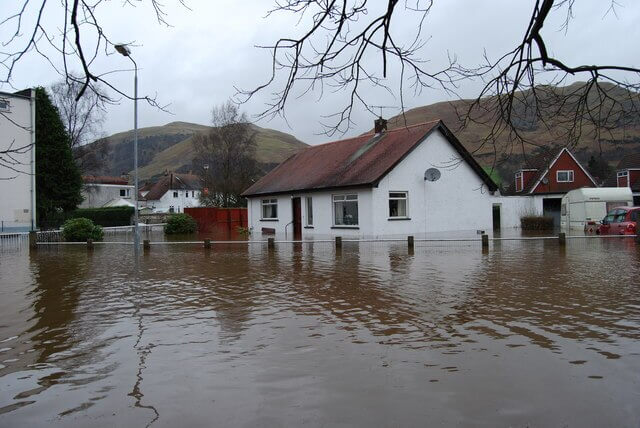
The report warns that people in England are now at a greater risk from environmental hazards than in the past, including flooding and wildfires.
These growing threats are linked to climate change, land mismanagement, and weakening environmental safeguards.
Post-Brexit Accountability Under the Environment Act
The Office for Environmental Protection was established after the UK left the EU to hold the government accountable under domestic law.
Before Brexit, the EU could impose sanctions on member states for failing to meet environmental standards. The Environment Act 2021 was designed to replace that system and prevent the UK from falling behind EU environmental regulation — a goal the OEP says has not been achieved.
Environmental Standards in the UK Are Falling Behind the EU
Research has shown that the UK has weakened environmental protections in several areas since Brexit.
The OEP report analysed 59 environmental trends across issues such as clean water, air pollution, and species abundance:
- 24 trends are improving
- 11 are static
- 16 are deteriorating
- 8 could not be assessed due to lack of data
Beccy Speight, the chief executive of the RSPB, said: “Nature in England is still in freefall, and the UK government is off track on its own legal targets. Action is what matters now: real change on the ground before it’s too late. We back the OEP’s call for government to drive greater uptake of high‑quality, nature‑friendly farming schemes and to properly fund, improve, and expand the protected sites network on land and at sea.”
Some Progress on Clean Air and Climate Action
The report does identify limited areas of progress, particularly under the current Labour government.
Levels of PM2.5 and other air pollutants are falling, and the government has introduced strong climate policies, including a ban on new oil and gas licences in the North Sea.
Stacey said: “The government must now decide whether or not it is going to meet [its environmental] targets. What happens now matters.”
Mary Creagh, the nature minister, said: “We are taking urgent action to restore our natural environment and have set out a clear path to achieving the country’s legally binding environmental targets in our new environmental improvement plan.
“We will carefully consider the OEP’s assessment and respond in due course.”
While these steps are welcome, the OEP makes clear they are not enough to offset broader failures to protect nature and meet legal environmental targets.
At Natural World Fund, we are deeply concerned by the government’s failure to meet its legal environmental targets, particularly those affecting rivers, wetlands and freshwater wildlife. Weak enforcement and rising pollution levels threaten aquatic species and leave communities more exposed to environmental hazards such as flooding. Protecting freshwater ecosystems is critical to reversing biodiversity loss and securing a healthy natural environment for future generations.