

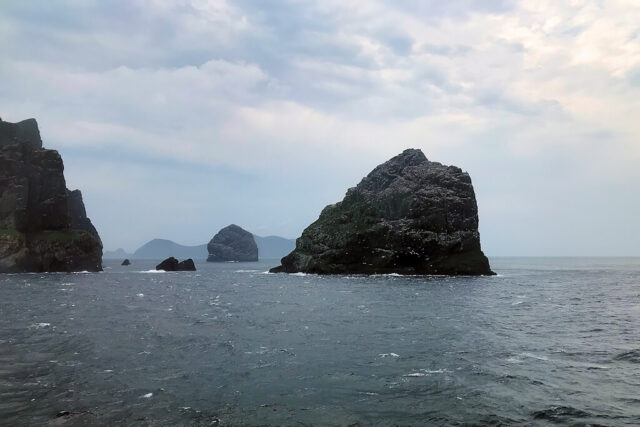
UK Marine Heatwave Threatens Ocean Wildlife as Seas Reach Extreme Temperatures
UK waters are experiencing an extreme marine heatwave, with scientists warning that rising ocean temperatures could put marine wildlife at serious risk.
The Met Office says sea temperatures have increased rapidly following a series of intense summer heatwaves. Scientists warn that continued ocean warming could lead to mass-mortality events for some marine species.
UK Seas Hit by Third Marine Heatwave of the Summer
The latest marine heatwave has developed after a heat dome caused record-breaking temperatures across Europe.
Scientists say the extreme heat experienced across the continent would have been impossible without the influence of the climate crisis.
The UK is now facing its third heatwave of the summer, with temperatures expected to rise above 30°C for up to 10 days.
Dr Ségolène Berthou, an air-sea interaction specialist at the Met Office, said warm atmospheric conditions have contributed to the marine heatwave.
She said:
“The ocean didn’t have enough time to cool down between the two land heatwaves.”
The Met Office says this is the strongest marine heatwave seen in UK waters this year. Sea temperatures are around 2°C warmer than average, while some areas have reached severe conditions, with temperatures 4–5°C above normal.
Dr Berthou added:
“There’s no sign of an end to it.”
Climate Change Is Driving Ocean Warming
The oceans absorb more than 90% of the excess heat trapped in the Earth’s climate system.
Most of this extra heat is caused by greenhouse gas emissions from burning fossil fuels.
As the planet warms, marine heatwaves are becoming more frequent and more intense. These events can damage habitats, disrupt food chains and put pressure on vulnerable species.
Global Ocean Temperatures Reach Record Levels
The Copernicus Climate Change Service and the Copernicus Marine Service have confirmed that global sea surface temperatures have broken previous records for this time of year.
The earlier records were set in 2023 and 2024.
Scientists expected further warming following the arrival of El Niño conditions, which are forecast to be among the strongest in decades.
UN Warns of the Need for Urgent Climate Action
UN Secretary-General António Guterres said the arrival of El Niño should be treated as an:
“urgent climate warning it is”.
He said:
“The only effective response is climate action equal to the crisis: ending the addiction to fossil fuels, accelerating the shift to renewables, protecting the most vulnerable, and delivering early warning systems for all.”
Marine Heatwaves Could Cause Wildlife Losses
Scientists warn that extreme marine heatwaves can have serious impacts on ocean ecosystems.
Prof John Pinnegar, principal scientist and lead adviser at the Centre for Environment, Fisheries and Aquaculture Science, said these conditions can cause:
“mass-mortality events”
for some marine species.
He also warned:
“Prolonged periods of elevated sea water temperatures can also encourage new species to visit UK waters, establish new populations, potentially shaking up UK ecosystems.”
Warmer seas can change where fish and shellfish live, affect breeding patterns and create new challenges for marine conservation.
Warming Seas Are Changing UK Marine Life
The effects of rising sea temperatures are already being seen around the UK.
Record numbers of octopuses were found off the south-west coast of England last year. The increase affected both the fishing industry and the wider marine ecosystem.
A record 100 tonnes of octopus was sold in one day at Brixham market last month, showing how warming seas are changing the species found in UK waters.
Supporting Healthy Oceans in a Changing Climate
At Natural World Fund, we recognise that healthy oceans are essential for biodiversity, climate regulation and coastal communities. Rising sea temperatures are placing increasing pressure on marine ecosystems, making it more important than ever to reduce greenhouse gas emissions, protect marine habitats and support conservation initiatives that help wildlife adapt to a changing climate.
If you care about restoring native wildlife, support the work of Natural World Fund today.
Image sources
- St_Kilda,_Stac_an_Armim_and_Stac_Lee_-_geograph.org.uk_-_7370149 by David Dixon. Cropped and resized from original: Wikipedia Commons