

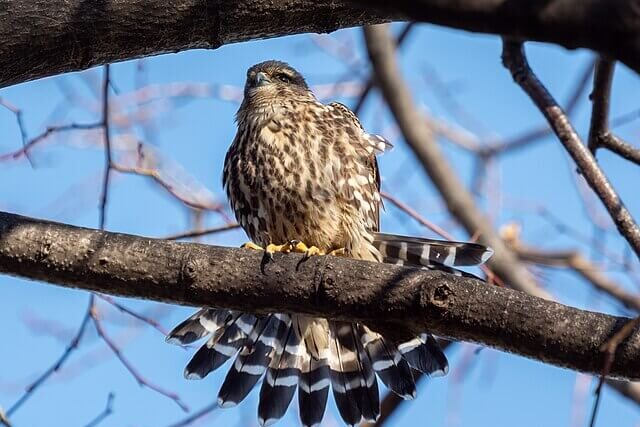
UK’s Smallest Bird of Prey at Risk: Merlin Among 200 Species Facing Extinction
The Merlin, the UK’s smallest bird of prey, is among more than 200 species at risk of extinction unless urgent action is taken on climate change and land use. New research highlights the growing threat to the UK’s biodiversity and warns that without intervention, many native species could disappear within decades.
Findings from the UK Centre for Ecology & Hydrology reveal that the next 20 years are critical. Decisions made now around emissions reduction and sustainable land management will determine the long-term survival of dozens of Britain’s species.
Scientists caution that by 2050, the British Isles—already one of the most nature-depleted regions globally—could reach an ecological “point of no return.”
“Our results show that the next 20 years will be decisive,” said Dr Rob Cooke, a senior ecologist at UKCEH and the lead author on the study, published in the journal Nature Communications. “The choices we make now will set Britain on a path either towards accelerating biodiversity loss or towards nature recovery.”
Climate Scenarios Show Starkly Different Futures for Biodiversity
Led by Dr Rob Cooke, researchers modelled six potential futures based on varying levels of greenhouse gas emissions and land use practices.
Best-Case Scenario
- Rapid emissions reductions
- Sustainable land management
- Lower meat and dairy consumption
- Greater societal focus on environmental protection
Worst-Case Scenario
- Intensified agriculture and urban expansion
- Continued high greenhouse gas emissions
- Up to 4°C of global warming
Under the worst-case outcome:
- 196 plant species could be lost
- 31 bird species face extinction
- 7 butterfly species could disappear
- Some regions may lose up to 20% of local wildlife
Cooke added: “Some species that have been part of our landscapes for centuries are now at risk of being lost, such as the merlin, the UK’s smallest bird of prey, mountain ringlet and large heath butterflies, as well as plants such as burnt orchid, grass-of-Parnassus and Alpine gentian.
“This will negatively affect local habitats and a range of ecological functions, from soil health and nutrient cycling to pollination and food production, with knock-on effects for wildlife and people.”
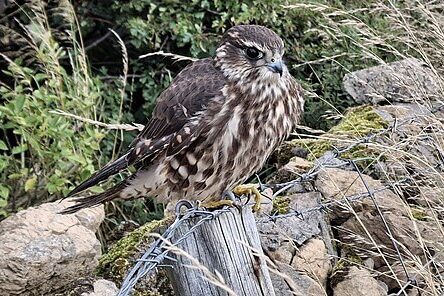
UK Biodiversity Loss Could Triple Historical Extinction Rates
The study suggests extinction rates could exceed historical levels by more than three times. Even under moderate climate scenarios, the combined effects of habitat destruction and global heating will continue to drive major biodiversity loss across the UK.
Despite the risks, the research offers a clear message of hope. By adopting sustainable climate policies and improving land use practices, up to 69 species could be saved compared to the worst-case projections.
Protecting habitats, reducing emissions, and shifting towards nature-positive lifestyles could still prevent irreversible damage and safeguard the UK’s remaining wildlife.
Why This Matters for the Future of Nature in the UK
The decline of species like the merlin is a warning sign of broader ecosystem collapse. Without immediate action, the UK risks losing not only individual species but the ecological balance that supports life, food systems, and climate stability.
Now is the decisive moment to act—before the UK crosses a biodiversity tipping point from which recovery may no longer be possible.
At Natural World Fund, we believe the UK’s biodiversity crisis is inseparable from the climate crisis. The decline of species like the Merlin reflects wider pressures from habitat loss, unsustainable land use, and rising emissions. Without urgent action to restore ecosystems and transition to nature-positive practices, we risk accelerating species loss and ecological collapse. Long-term investment and decisive policy change are essential to protect the UK’s wildlife and secure a healthier future for nature.
If you care about restoring native wildlife in the UK, support the work of Natural World Fund today.
Image sources
- Merlin_(Falco_columbarius),_Baltasound_-_geograph.org.uk_-_7854337 (1): Wikipedia Commons
- Merlin_in_Prospect_Park_(63386) (1): Wikipedia Commons