

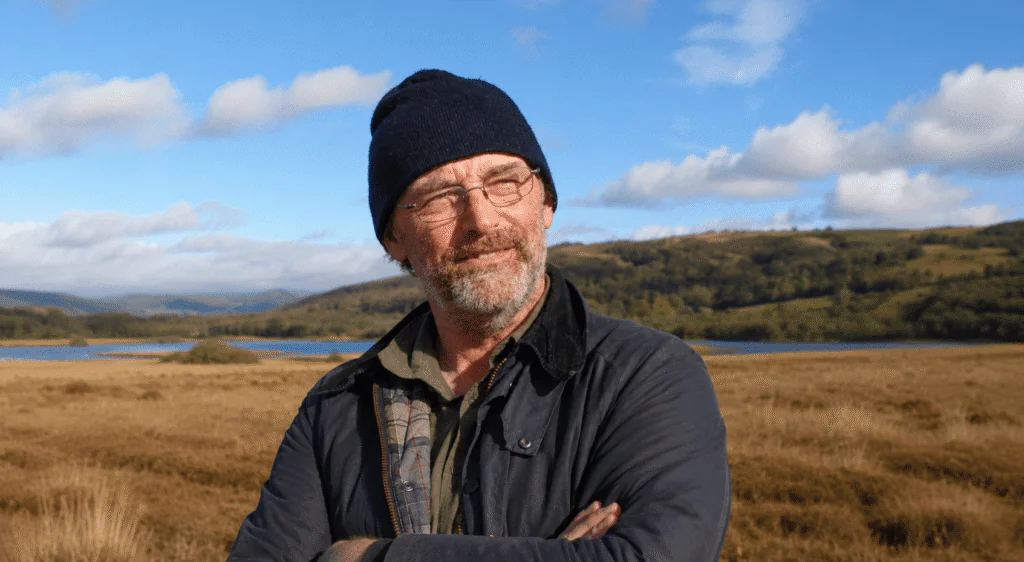
The Bogfather: How Restoring Wales’ Peatlands Is Helping Fight Climate Change
Peatland expert Dr Peter Jones, affectionately known as “The Bogfather”, has spent more than 30 years restoring bogs, fens and wetlands across Wales. His work is helping tackle climate change, reduce flood risk, prevent wildfires and protect wildlife by restoring one of the UK’s most valuable natural habitats.
Although peatlands cover only a small proportion of Wales, they store vast amounts of carbon and support rare species. However, decades of damage have turned many of these landscapes from vital carbon stores into sources of greenhouse gas emissions.
Why Peatlands Matter in the Fight Against Climate Change
Peatlands store around 30% of Wales’ land-based carbon despite covering just 4% of the country’s surface. However, around 90% of Welsh peatlands are degraded, causing them to release greenhouse gases instead of locking carbon safely underground.
Healthy peatlands provide multiple environmental benefits. They slow the movement of water through the landscape, helping to reduce flooding, and act as natural firebreaks during wildfires—both increasingly important as climate change increases the frequency of extreme weather.
For Dr Jones, protecting these habitats has become a lifelong mission.
Meet ‘The Bogfather’
Dr Jones has become widely known as “The Bogfather”, although he admits he had little to do with choosing the nickname.
“I certainly wouldn’t have come up with that myself,” he laughs when asked about his nickname.
“A couple of our younger, enthusiastic colleagues started calling me that.”
The nickname stuck, and colleagues say it reflects his decades of dedication to peatland conservation.
A Childhood Passion for Peatlands
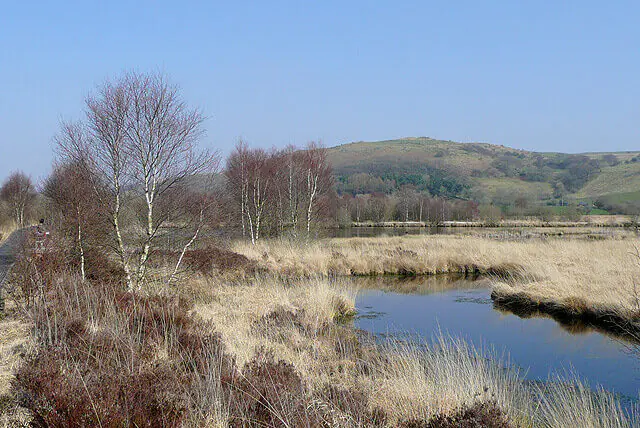
Dr Jones’ fascination with nature began with birds, but his lifelong passion for peatlands started when he visited Cors Caron National Nature Reserve near Tregaron at the age of eight.
Now in his 60s, he still finds himself stopping on walks to examine bogs and wetlands.
“probably much to the annoyance of my long-suffering family,” he laughed.
He describes wetlands as some of Britain’s last truly natural landscapes.
“They’re quite wild… with a lot of the characteristics of genuinely natural habitat.”
What Makes Peat Soil So Important?
While the landscape above ground is impressive, it is what lies beneath that fascinates Dr Jones the most.
“A peat soil is basically composed of the partially decomposed remains of plants.
“As the peat grows, it traps within it anything that falls on the surface… grains of pollen, dust, even bits of volcanic ash and even bigger objects,”
Peat builds incredibly slowly, preserving thousands of years of environmental history while storing enormous quantities of carbon.
Why Are Wales’ Peatlands So Damaged?
According to Dr Jones, peatlands were historically undervalued.
Large areas were drained for agriculture or planted with trees because they were once considered to have little ecological importance.
Peat also played an important role in Welsh history as a traditional fuel source.
“In past centuries rural communities may not have had very much money, there often wasn’t very much wood around to burn and so peat was seen as a really important source of fuel.”
Today, damaged peatlands are far more vulnerable to erosion, creating exposed peat cliffs where wind and rain have stripped away centuries of accumulated peat.
Healthy Peatlands Support Rare Wildlife
Healthy peatlands can often be recognised by their distinctive plant life.
Dr Jones explains that healthy sites contain grasses, sedges, heathers and, most importantly, Sphagnum bog mosses.
These mosses can hold up to 20 times their own weight in water, making them essential for building and maintaining peat.
Restored peatlands also provide habitat for numerous rare and threatened invertebrates.
Among Dr Jones’ favourite species is the fly orchid, which grows in the fens of Anglesey.
“It’s a fascinating plant,”
Despite resembling flies, the flowers attract male digger wasps by releasing scents that mimic female pheromones, allowing pollen to be transferred between flowers.
Restoring Wales’ Peatlands
There are more than 100 different techniques used to restore damaged peatlands, including blocking drainage ditches and re-establishing native bog vegetation.
Once restored, peat accumulates at an incredibly slow rate.
According to Dr Jones, healthy peat grows by only around one millimetre each year, meaning that just one metre of peat can take up to 1,000 years to form.
Wales has been restoring peatlands for more than 50 years, but awareness of their importance has grown significantly in recent years.
“We’re committed to getting up to restoring around about 1,800 hectares per year by the end of 2030-1.”
A Growing Challenge for Conservation
While restoration efforts are expanding, climate change is making the task increasingly difficult.
“It is a pressing issue,”
“As climate change gradually progresses, the task of restoring some of our peatlands is going to be made a bit more difficult because there’ll be less rainfall in the summer.”
Dr Jones says conservation teams across the UK are working together to protect these valuable ecosystems.
“People might not at first sight think this is a special place, but it is.”
“Every peatland in Wales has got a different story to it, it’s evolved in a different way.”
“The UK may account for just 1% of current global emissions, but we’re responsible for 100% of our own emissions, and we have the opportunity to show global leadership by bringing them down.”
Protecting Peatlands for Nature and Climate
At Natural World Fund, we believe restoring peatlands is one of the most effective nature-based solutions for tackling climate change while protecting wildlife. Healthy bogs, fens and wetlands store carbon, reduce flooding, support rare species and strengthen the resilience of our natural landscapes. By investing in peatland restoration today, we can help safeguard biodiversity and build a healthier future for both people and nature.
If you care about restoring native wildlife, support the work of Natural World Fund today.
Image sources
- Dr Peter Jones Bogfather by ChatGPT. Cropped and resized from original: ChatGPT
- Cors_Caron_in_March,_near_Tregaron,_Ceredigion_-_geograph.org.uk_-_1215271 by Roger Kidd. Cropped and resized from original: Wikipedia Commons