

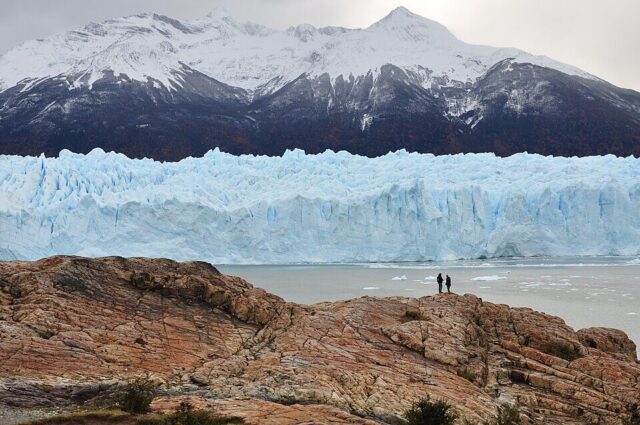
Argentina Weakens Glacier Protections, Raising Environmental Concerns
Argentina has passed a controversial reform to its landmark glacier protection law, sparking alarm among environmental groups who warn it could threaten vital freshwater ecosystems.
The amendment allows expanded mining activity in glacier and periglacial regions—areas long recognised as essential natural water reserves.
What Changed in Argentina’s Glacier Law?
Originally introduced in 2010, Argentina’s Glacier Law was considered a global benchmark for environmental protection. It strictly prohibited mining and exploration in glacier regions to safeguard water sources.
The new reform shifts decision-making power from the Argentine Institute for Snow, Ice and Environmental Sciences (Ianigla) to provincial governments. This decentralisation means local authorities now determine which glacier areas require protection—raising concerns about inconsistent environmental oversight.
President Javier Milei, who supports the change, argues it will empower provinces to manage their natural resources more effectively and unlock economic opportunities in previously restricted areas.
Why Glaciers Matter for Climate and Water Security
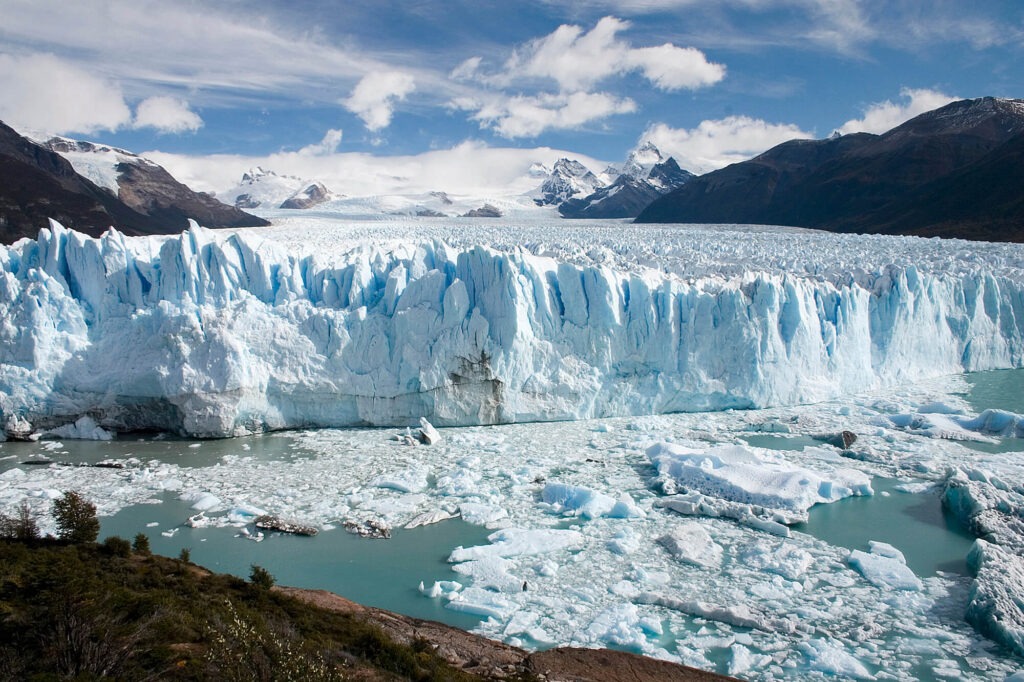
Argentina is home to 16,968 glaciers that supply water to 36 river basins across 12 provinces, supporting around seven million people. These glaciers play a critical role in regulating water flow, particularly in drought-prone regions.
As climate change accelerates, glacier meltwater has become increasingly vital—helping to stabilise water supplies in semi-arid regions such as Mendoza. Weakening protections could therefore have long-term consequences for water security, biodiversity, and ecosystem resilience.
Environmental Risks of Expanded Mining
Environmental organisations, including Greenpeace, warn that the reform could open fragile ecosystems to mining projects that risk contamination and long-term damage.
Critics argue that redefining which areas qualify as “strategic” water reserves may exclude vulnerable periglacial zones that still play a crucial role in hydrological cycles.
By allowing provinces to override national protections, campaigners fear short-term economic interests may outweigh long-term environmental sustainability.
“The primary function of all glaciers and the entire periglacial environment is to act as a freshwater reservoir,” Agostina Rossi Serra, a biologist working with Greenpeace said.
“The periglacial environment, apart from being water reserves because they consist of water inside, undergoes a gradual thaw that feeds the rivers and streams of our country,” she explains.
“And a large part of our country, especially the regions that were keen to see this law amended, are arid and semi-arid areas, where water is a scarce resource,” Rossi Serra added.
Economic Development vs Environmental Protection
Supporters of the reform—including leaders from mining-rich provinces like Catamarca, Jujuy, Salta, Mendoza, and San Juan—say the previous law restricted economic growth. They argue the changes will enable responsible resource development while still maintaining key protections.
Congresswoman Nancy Picón Martínez, said that the mining industry was being portrayed “as if it were a monster”.
“This law protects glaciers, no matter how much some people want us to believe otherwise,” she said.
However, environmental advocates counter that true sustainable development must prioritise the protection of natural resources—particularly water—over extractive industries.
“Without water, we can’t even think about a growth and development project,” Congresswoman Natalia de la Sota said.
The Bigger Picture: A Global Environmental Issue
Argentina’s decision highlights a growing global tension between economic development and environmental protection. As climate change intensifies and water scarcity becomes more widespread, safeguarding glaciers and natural water systems is increasingly critical.
For organisations like Natural World Fund, this issue underscores the urgent need to protect fragile ecosystems and ensure that environmental policies prioritise long-term planetary health over short-term gains.
At Natural World Fund, we recognise that glaciers and their surrounding environments are vital habitats that support unique wildlife and delicate ecosystems. Protecting these regions is essential not only for preserving biodiversity but also for maintaining the natural balance that countless species depend on. By championing stronger environmental protections and promoting sustainable approaches to land use, we can help safeguard these fragile habitats and ensure wildlife can continue to thrive in a rapidly changing climate.
If you care about restoring native wildlife in the UK, support the work of Natural World Fund today.
Image sources
- Moreno Glacier Patagonia Argentina Luca Galuzzi 2005 by Luca Galuzzi – www.galuzzi.it Cropped and Resized from original: Wikipedia Commons
- “Grandeur” – The Perito Moreno Glacier (Argentina) (8095666402) by Jorge Láscar. Resized from original: Wikipedia Commons