

Beetle Enthusiast Makes Remarkable Wildlife Discovery in Northern Ireland
A passionate beetle enthusiast from Northern Ireland has helped rediscover a species that had not been recorded on the island of Ireland for almost 90 years.
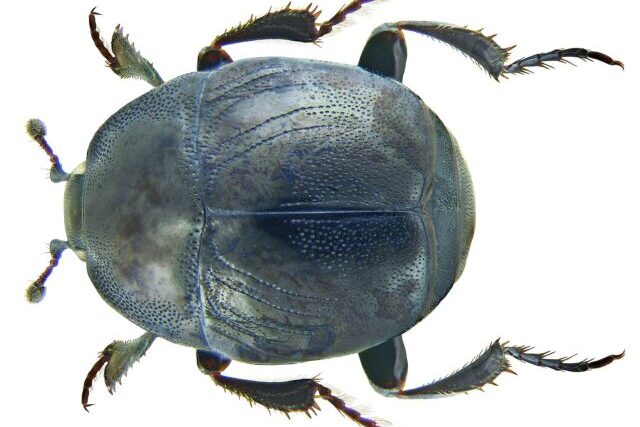
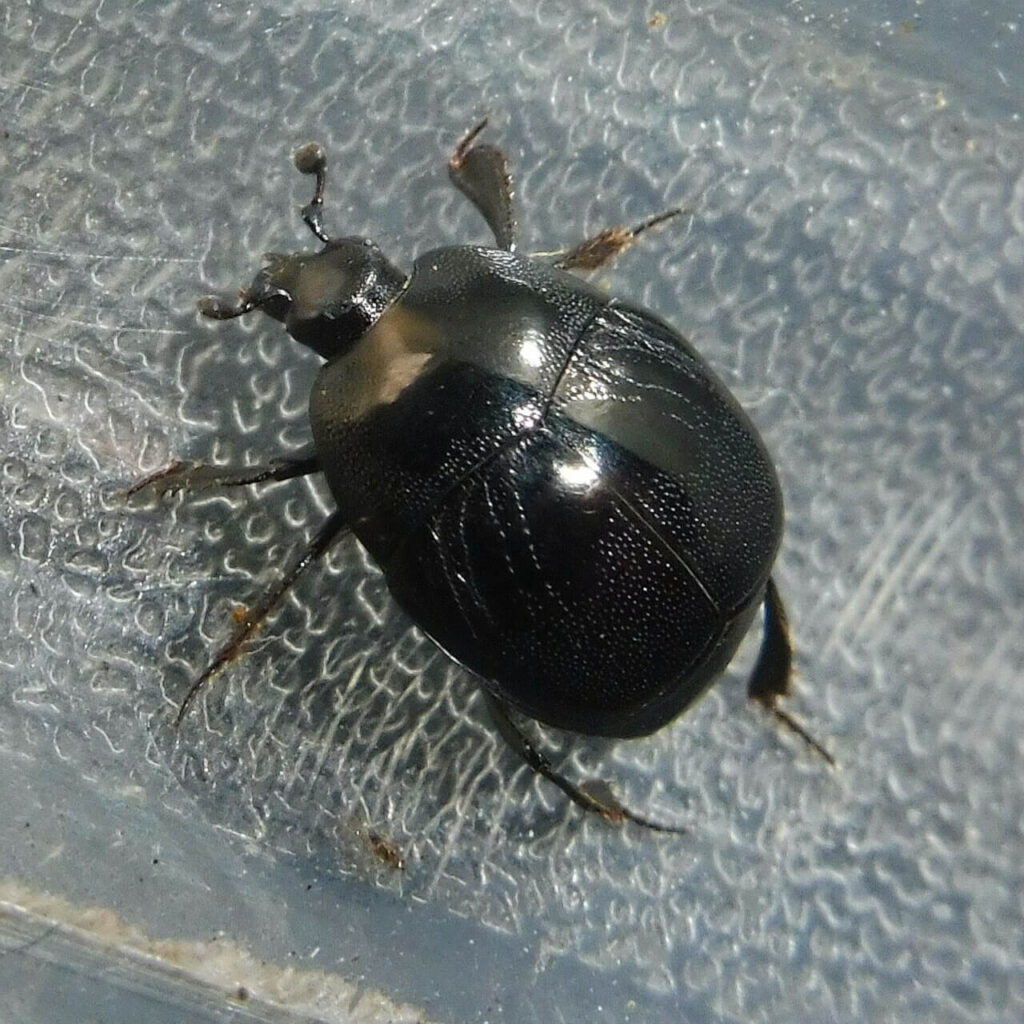
The rediscovery of the rare carrion clown beetle (Saprinus semistriatus) has highlighted the important role citizen scientists can play in wildlife monitoring and biodiversity conservation.
The tiny beetle was last officially recorded in Ireland in 1934 and has remained largely absent from records ever since, with only occasional sightings reported in parts of Great Britain, mostly in southern England.
However, during what initially appeared to be a routine survey at Benone Strand in County Londonderry, Mel McQuitty made an unexpected find.
A Routine Survey Leads to a Rare Discovery
McQuitty, who describes herself as a dedicated beetle enthusiast, had spent years carrying out regular wildlife surveys in the area.
The 2024 sighting has since been verified by experts and is currently the most recent confirmed record of the species in both the UK and Ireland.
“I was really lucky to come across a dead hedgehog in the sand dune slacks and when I took a look underneath I found the little beetle,” Mel McQuitty said.
“It’s a really fantastic looking beetle, it’s very unique and records show it hasn’t been seen in quite some time which is great news.”
At the time, McQuitty had not realised the significance of what she had discovered.
Verification Revealed the Importance of the Finding
After officially recording the sighting, the observation was reviewed by the Centre for Environmental Data and Recording (CEDaR), where wildlife records submitted by members of the public are assessed and catalogued.
Only then did McQuitty discover she had found something exceptionally rare.
“There are thousands of species in Ireland and, as an amateur, every beetle is pretty special.
“I knew it was a type of clown beetle and it’s family but I didn’t realise it would be so rare!
“It was an honour to get to see it and set it on its way again,” she said.
Northern Ireland Faces Major Biodiversity Challenges
Northern Ireland remains one of the world’s most nature-depleted regions, with approximately one in nine species now considered at risk of extinction.
Efforts are underway to reverse biodiversity loss through initiatives such as the Department of Agriculture, Environment and Rural Affairs (Daera) Nature Recovery Strategy.
For McQuitty, every wildlife record contributes to a larger picture of understanding and protecting nature.
“I think it’s really exciting, I survey all the time and I try to find as much as I can so all those records are important to me. But it’s fantastic to find and know that stuff is still out there that you thought maybe wasn’t.”
Why the Carrion Clown Beetle Is Rarely Seen
Academic and beetle specialist Dr Roy Anderson, who helps verify species records, explained that the beetle’s small size and habitat preferences make it easy to overlook.
“It’s a tiny little thing, only about three or four millimetres long, easily overlooked.”
The species is often associated with animal carcasses and may also be affected by environmental changes.
“I have never seen the species, but there’s a similar species called Saprinus aeneus, which I come across occasionally on the shores of Lough Neagh,” he continued.
“This one has always been rare and it’s interesting that it’s turned up on the north coast of Northern Ireland, because there’s so many other beetle species advancing their range through climate change.”
Historic Wildlife Records Help Track Species Changes
The rediscovery also demonstrates the importance of historic specimen collections and environmental data records.
Helen James, Senior Curator of Natural Sciences for National Museums NI, noted that records of the species stretch back to the late 19th century, including observations from Portrush in 1894.
Meanwhile, CEDaR continues to play an important role in collecting and analysing biodiversity records throughout Northern Ireland.
Amy Laird, Learning and Engagement Officer at CEDaR, explained how citizen science strengthens conservation efforts.
“We operate primarily to collate and collect records from across NI together into one central data base.
“We work with different experts, professionals and citizen scientists and then we are able to inform biodiversity, conservation, and research from that data base,” she said.
“This shows that even one record can make a big difference.
“Working with citizen scientists is essential, it covers so much more ground than members of staff can alone, they can fill in a lot of knowledge gaps.”
Citizen Science Can Help Protect Wildlife
McQuitty hopes more people will become involved in wildlife surveying and learn to appreciate often-overlooked species.
“I love people but I don’t understand why they don’t have the same love for beetles as me,” she said.
“I think they are fantastic and they look spectacular – the more people we have out taking time, slowing down and looking at the small things the better.”
She also believes governments could do more to support citizen science projects through increased funding and resources.
Her enthusiasm extends well beyond Northern Ireland.
“And it’s not just at home that McQuitty can be found searching for beetles – ‘I don’t go anywhere on holidays without the kit – if there’s a beetle I’ll survey it.
“You can really see the difference in Europe, a lot of large species especially in around Denmark.”
Why Small Discoveries Matter for Conservation
Although tiny in size, the rediscovery of the carrion clown beetle shows how individual observations can provide valuable insights into biodiversity and changing ecosystems.
As environmental pressures continue to affect species worldwide, citizen scientists and wildlife recorders are becoming increasingly important in helping researchers understand and protect nature.
Support Environmental Conservation Efforts
At Natural World Fund, we support action to protect biodiversity and restore the natural systems that wildlife depends on. From large mammals to often-overlooked insects, every species plays an important role in maintaining healthy ecosystems. Supporting conservation, habitat protection and citizen science initiatives is essential for safeguarding nature and building a more resilient future.
If you care about restoring native wildlife, support the work of Natural World Fund today.
Image sources
- Saprinus_semistriatus_-_inat_359723643 by Barry Walter. Cropped and resized from original: Wikipedia Commons
- Saprinus_semistriatus_(Scriba,_1790)_(3232043174)_(2) by Udo Schmidt. Cropped and resized from original: Wikipedia Commons