

Americans Still Support Climate Action Despite Declining Media Coverage
Public discussion of the climate crisis in the United States has shifted significantly in recent years. As President Donald Trump continues to dismantle climate policies and promote expanded fossil fuel extraction through his call to “drill, baby, drill”, climate change has become less prominent in political debate and mainstream media coverage.
However, despite reduced attention from politicians and news organisations—including some previously vocal Democrats—research shows that most Americans remain concerned about climate change and continue to support action to address global heating.
Public Concern About Climate Change Remains Strong
Experts and polling data indicate that concern about climate change has remained remarkably consistent among the American public, even as other issues dominate headlines.
“The 2024 election was not a referendum on climate change – Americans believe in climate change, worry about climate change and support action on climate change,” said Anthony Leiserowitz, director of the climate communication program at Yale University. “That didn’t change before, during or after the election.”
According to Yale University’s long-running climate surveys, around two-thirds of Americans say they are worried about the climate crisis. This level of concern has remained stable despite growing media focus on issues such as inflation, international conflicts and economic uncertainty.
Climate Change Coverage Declines Across US Media
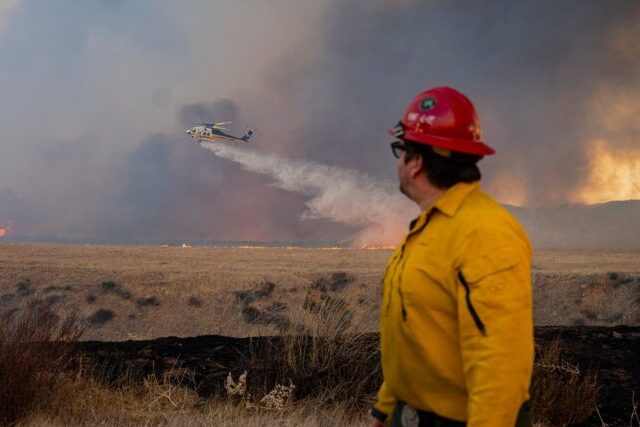
While public concern remains high, climate change is receiving less coverage in American media. This decline comes despite increasing evidence of climate impacts, including severe heatwaves, droughts, wildfires and extreme weather events affecting communities across the country.
Several major news organisations, including the Washington Post, NPR and CBS, have reduced their climate reporting teams, contributing to what some experts describe as a growing silence around the issue.
“Voting priorities haven’t changed much in terms of climate but other issues have leapfrogged over it, such as the Iran war, and the lack of coverage in the media means that people aren’t hearing or talking about it as much,” said Leiserowitz.
“There is this spiral of climate silence. I’ve even heard some leaders of climate groups say, ‘Don’t mention climate change.’ I don’t know why they’d make that decision, there’s absolutely no evidence that people care about this less than they did.”
Americans Connect Rising Costs to the Climate Crisis
Despite reduced media attention, many voters are increasingly linking the rising cost of living to climate-related impacts.
Yale polling found that a majority of Americans now associate higher everyday expenses with the climate crisis. Global dependence on fossil fuels can contribute to energy price volatility, particularly during periods of geopolitical instability such as the Iran conflict, which affected fuel prices.
This growing awareness suggests that climate change is no longer viewed solely as an environmental issue but increasingly as an economic one.
Opposition to Renewable Energy Remains a Minority View
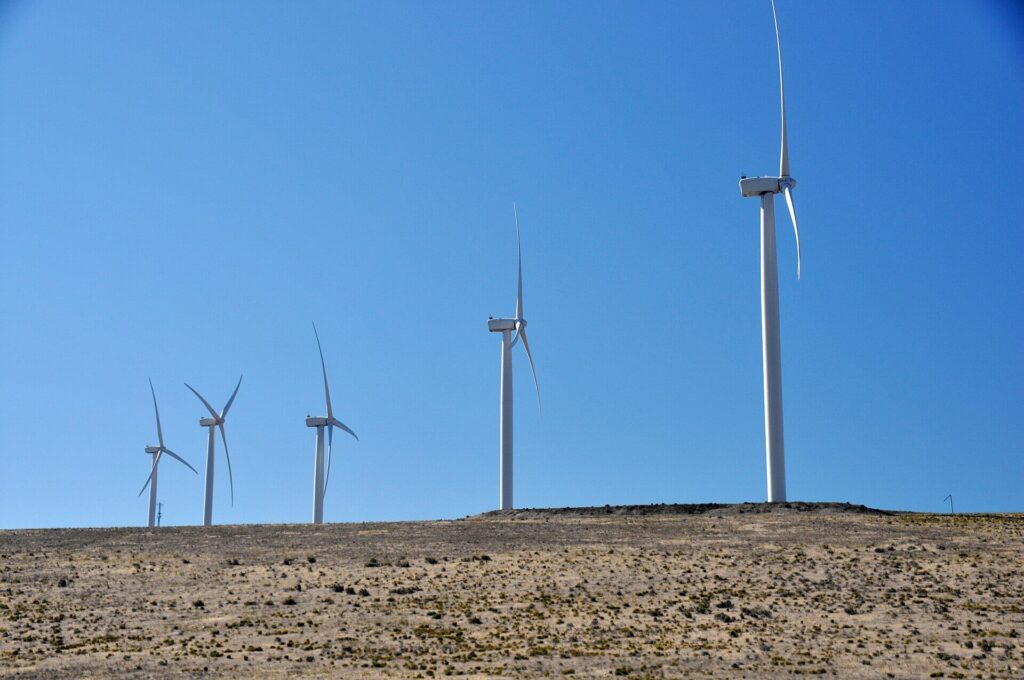
Although President Trump has sought to expand fossil fuel production and limit renewable energy development, polling suggests that these positions are not widely shared by the American public.
“I’m proudly telling you that we’re going to try and have no windmills built in the United States,” Trump said in March.
The president has repeatedly criticised renewable energy technologies, describing clean energy as “the scam of the century”. His administration has also attempted to block wind and solar developments, though some efforts have been challenged successfully in court.
In June, the administration announced $700 million in support for coal-fired power stations, which remain a major source of greenhouse gas emissions and air pollution.
However, Yale polling found that only 7% of American voters support candidates who advocate reducing renewable energy use, while just 14% favour increasing fossil fuel production.
“The president’s viewpoint is not shared by most Americans or even most conservative Republicans,” said Leiserowitz.
“This war on renewables isn’t even shared by his own base. Climate is still very polarized in the US. But, on the whole, Americans have positive views of clean energy and pretty negative views of fossil fuel energy, which they think is dirty and polluting.”
Climate Policy Faces Political Challenges
Climate change has rarely been a dominant political issue in the United States, despite mounting evidence of its impacts.
Significant climate legislation introduced during Joe Biden’s presidency has been rolled back by Republicans in Congress, while the Trump administration has withdrawn the US from international climate agreements and reduced federal climate research efforts.
Political analysts suggest that perceptions surrounding the electoral impact of climate policies may discourage politicians from prioritising the issue, even when public support remains relatively strong.
Climate Change Is Increasing Costs for American Households
The financial consequences of climate change are becoming increasingly visible across the United States.
Extreme heat, wildfire smoke, stronger storms and rising insurance costs are placing growing pressure on households. Research published earlier this year found that climate-related impacts are costing American families between $400 and $900 annually on average, with costs exceeding $1,300 in some areas of California, Louisiana and Florida.
“The status quo has a lot of real negative consequences for American households,” said Kimberly Clausing, an economist at the UCLA School of Law and one of the study’s co-authors, who added that home insurance rates and, less obviously, health costs are being accelerated by the climate crisis.
“If you live on the Gulf coast or in the rural American west you’d have to be out to lunch to not notice how climate change is affecting you in very real ways,” she said. “But if you’re sitting in Chicago or Boston it could be harder to realize this on a daily basis. That makes it difficult for policymakers to respond, as people often do not connect the dots.”
Why Politicians Are Hesitant to Focus on Climate Change
Despite evidence that many Americans remain concerned about climate change, some political strategists believe climate-focused messaging may not currently offer significant electoral advantages.
Clausing suggested that concerns over election outcomes may be discouraging politicians from placing climate issues at the centre of their campaigns.
“People on the left know this is a problem and worry about it but think, ‘Why talk about this if I want to win elections?’” she said. “The last guy did, he did something about it and then this happened [election defeat]. It’s hard for politicians to get excited about it at the moment.”
Climate Action Still Matters to Americans
Although climate change has received less attention in political discourse and news coverage, polling suggests that public concern remains widespread. As climate-related costs, extreme weather events and environmental impacts continue to affect communities across the United States, support for renewable energy and climate action remains stronger than support for expanding fossil fuel dependence.
The challenge for policymakers may not be convincing people that climate change matters, but ensuring that the issue remains visible in public debate as its impacts continue to grow.
Supporting Climate Awareness and Environmental Action
At Natural World Fund, we recognise that tackling the climate crisis requires both public engagement and evidence-based action. While political attention may shift, the impacts of rising temperatures, extreme weather and habitat loss continue to affect communities and wildlife around the world. By supporting environmental education, conservation initiatives and sustainable solutions, we can help protect ecosystems, strengthen resilience and create a healthier future for people and nature alike.
If you care about restoring native wildlife, support the work of Natural World Fund today.
Image sources
- Wind_turbines_(west_of_Arlington,_Oregon,_USA)_1 by James St. John. Cropped and resized from original: Wikipedia Commons
- Hughes_Fire,_California_with_United_States_Forest_Service_(USFS)_firefighters_on_Wednesday,_January_22,_2025_-_10 by Region 5 Photography. Cropped and resized from original: Wikipedia Commons