

Fish Kill in Bromley River Under Investigation After Critically Endangered European Eels Found Dead
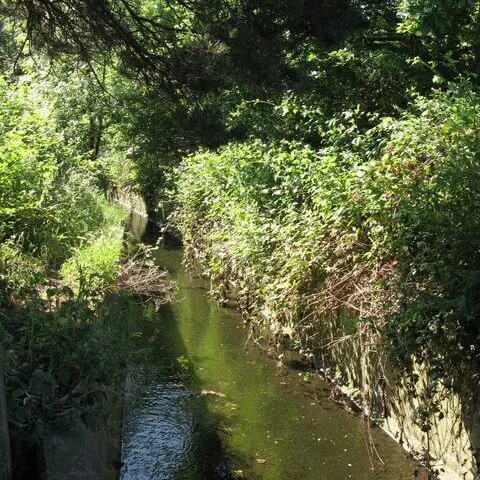
A major fish kill in a Bromley waterway is being investigated after hundreds of fish, including critically endangered European eels, were found dead along a 3km stretch of the River Pool.
The Environment Agency (EA) and Thames Water are working to determine the cause of the pollution incident, which has affected a wide range of freshwater species and raised concerns about the health of one of south-east London’s important urban rivers.
Environment Agency Investigates River Pool Pollution Incident
The Environment Agency confirmed that a significant number of fish died following an as-yet unexplained pollution incident last weekend.
Dead European eels, sticklebacks, gudgeon and stone loach were discovered in the River Pool, while larger coarse fish including chub, roach and dace were also among the casualties.
The affected section of river stretches from Cator Park to the point where the River Pool meets the River Ravensbourne, covering approximately 3km downstream.
Environment officers are continuing to monitor water quality, collect water samples and assess whether there is any ongoing risk of further fish deaths. Meanwhile, the agency’s fisheries team is evaluating the full ecological impact on the river.
Critically Endangered European Eels Among the Victims
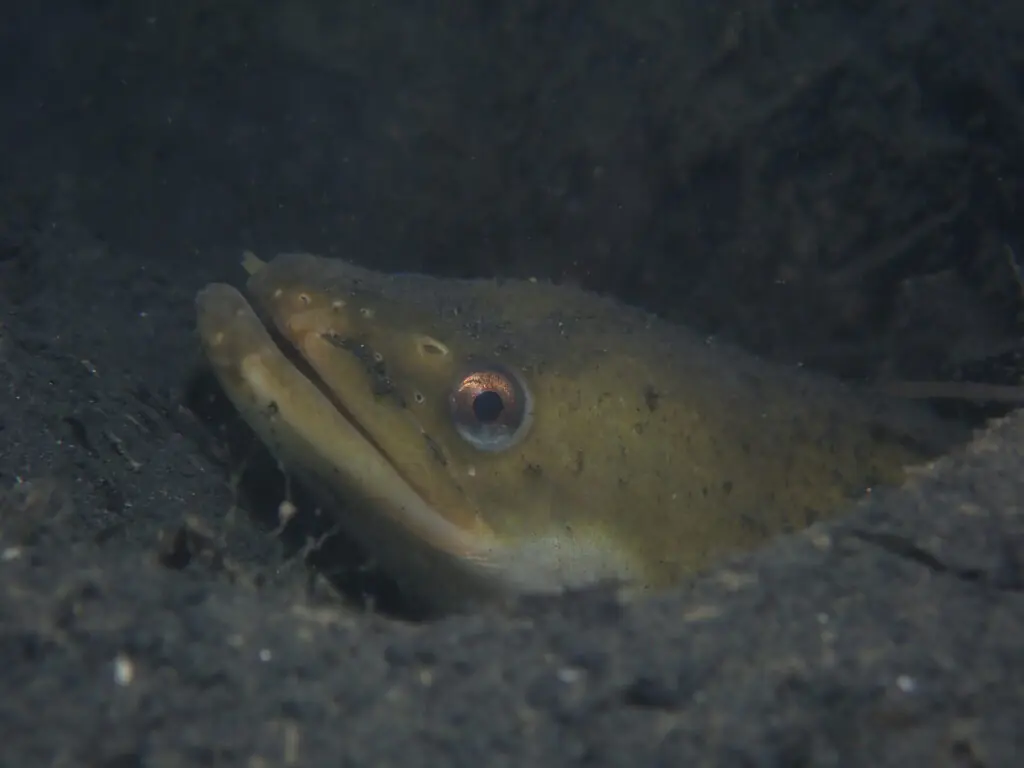
The incident is particularly concerning because it has affected the European eel, a species listed as Critically Endangered by the International Union for Conservation of Nature (IUCN).
Juvenile European eel populations, known as glass eels, have declined by up to 95% since the 1980s, making every surviving population increasingly important for the species’ recovery.
Once a familiar sight in British rivers, European eels were historically abundant in the River Thames and were commonly used to make traditional eel pies and jellied eels. Today, they have become increasingly rare across the UK due to habitat loss, barriers to migration, pollution and other environmental pressures.
Thames Water Deploys Emergency Measures
Thames Water said it is “urgently investigating the pollution incident”, although the cause has not yet been identified.
To help protect remaining wildlife, the company has deployed aeration equipment at key locations along the River Pool to increase dissolved oxygen levels and reduce the risk of further fish mortality.
A Thames Water spokesperson said tests were currently being carried out and it “understands the concerns residents will have”.
Public Advised to Avoid the Affected River Stretch
Although the pollution incident has not affected public drinking water supplies, the Environment Agency has advised people and their pets to avoid the affected stretch of the River Pool while investigations continue.
Officials will continue monitoring the river until they are satisfied there is no ongoing threat to aquatic wildlife.
Local Councillor Highlights Importance of River Biodiversity
Beckenham Town and Copers Cope councillor Steven Jefferies praised the Environment Agency for its swift response to the incident.
He said:
“Beckenham’s rivers play a crucial role in supporting the biodiversity of our area, and bring great benefits to the health and wellbeing of residents living in our community.”
Protecting Freshwater Wildlife From Pollution
Healthy rivers are essential for supporting fish, amphibians, insects, birds and mammals, while also providing valuable green spaces for local communities. Pollution incidents can have devastating consequences for already vulnerable species, particularly those like the European eel that are facing steep population declines.
At Natural World Fund, we support efforts to restore freshwater habitats, improve water quality and protect endangered wildlife. By conserving rivers and wetlands, tackling pollution and promoting nature recovery, we can help safeguard these vital ecosystems for future generations.
“The UK may account for just 1% of current global emissions, but we’re responsible for 100% of our own emissions, and we have the opportunity to show global leadership by bringing them down.”
Protecting Freshwater Wildlife From Pollution
At Natural World Fund, we support efforts to restore freshwater habitats, improve water quality and protect endangered wildlife. Healthy rivers are essential for supporting fish, amphibians, insects, birds and mammals, while also providing valuable green spaces for local communities. By conserving rivers and wetlands, tackling pollution and promoting nature recovery, we can help safeguard these vital ecosystems for future generations.
If you care about restoring native wildlife, support the work of Natural World Fund today.
Image sources
- Anguilla_anguilla_head by jujurenoult. Cropped and resized from original: Wikipedia Commons
- The_Beck_on_the_eastern_edge_of_Cator_Park_(3)_-_geograph.org.uk_-_2369787 by Mike Quinn. Cropped and resized from original: Wikipedia Commons