

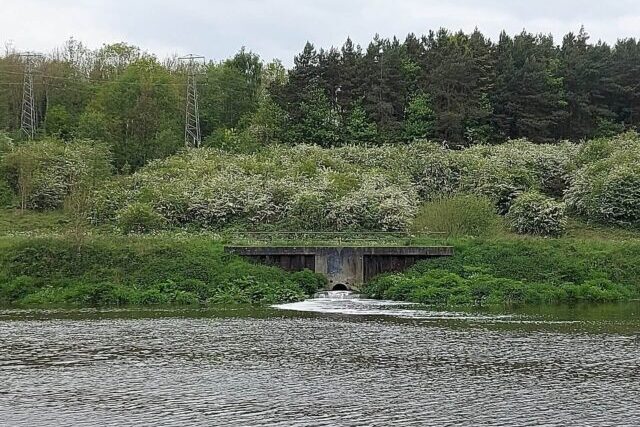
Most Sewage Spills in England May Have Happened During Normal Weather
Most sewage spills into England’s rivers, lakes and coastal waters over the past two years may have been illegal, according to new analysis.
The findings suggest that raw sewage could have been discharged during normal weather conditions, despite UK law restricting sewage releases to exceptional circumstances.
Campaigner Prof Peter Hammond analysed sewage spill data from hundreds of storm overflows across England. He found that around 86% of sewage-spilling hours occurred when there had not been heavy rain.
The analysis has been rejected by water companies and the Environment Agency (EA), which says it is working to reduce sewage discharges.
What Causes Sewage Spills?
England’s sewage network faces a major problem because rainwater and wastewater often travel through the same pipes.
During heavy rainfall, these systems can become overwhelmed. Storm overflows are designed to release excess water and sewage into rivers and other waterways when the network cannot cope.
However, the law places limits on when these discharges can take place.
The key question is how much rainfall is needed before weather conditions become exceptional enough for a sewage discharge to be lawful.
Campaigners have argued that the lack of a clear definition has allowed water companies to discharge sewage routinely without facing sufficient consequences.
Most Sewage Spills Happened Without Heavy Rain
Prof Peter Hammond obtained a definition of “heavy rain” contained in court papers. He then used it to analyse sewage spill data.
His research examined more than 350 storm overflow outlets across England. These included the largest sewage treatment works and a representative selection of smaller sites.
The sites covered all nine water companies operating in England and serving more than 30 million people.
Hammond found that approximately 86% of sewage-spilling hours occurred when there had not been heavy rainfall.
If the definition he used applies more widely, these discharges could potentially have been illegal.
Even the water company with the lowest potential illegality rate in his analysis had a figure above 70% over the two-year period.
“It’s totally outrageous, both from the point of the water companies who are exploiting the weak regulation but also from the Environment Agency’s point of view, where they’ve not been doing their job properly,” Prof Hammond said.
How Much Sewage Was Spilled in 2025?
Environment Agency data shows that sewage spills remained widespread across England in 2025.
United Utilities recorded the largest number of sewage spills, with 60,843 incidents. Yorkshire Water recorded 51,431, while South West Water recorded 46,164.
South West Water had the highest total duration among the companies listed, with more than 407,000 hours of sewage spills.
| Water company | Sewage spills | Average duration | Total spill hours |
|---|---|---|---|
| Anglian Water | 16,779 | 6 hours | 101,598 |
| Northumbrian Water | 27,776 | 4 hours | 123,521 |
| Severn Trent Water | 36,471 | 5 hours | 200,361 |
| South West Water | 46,164 | 9 hours | 407,006 |
| Southern Water | 15,554 | 7 hours | 114,868 |
| Thames Water | 9,189 | 12 hours | 107,822 |
| United Utilities | 60,843 | 5 hours | 327,453 |
| Wessex Water | 24,442 | 8 hours | 190,666 |
| Yorkshire Water | 51,431 | 6 hours | 285,931 |
Source: Environment Agency. Data covering Welsh Water operations in England is not included.
The figures highlight the scale of sewage pollution affecting England’s waterways.
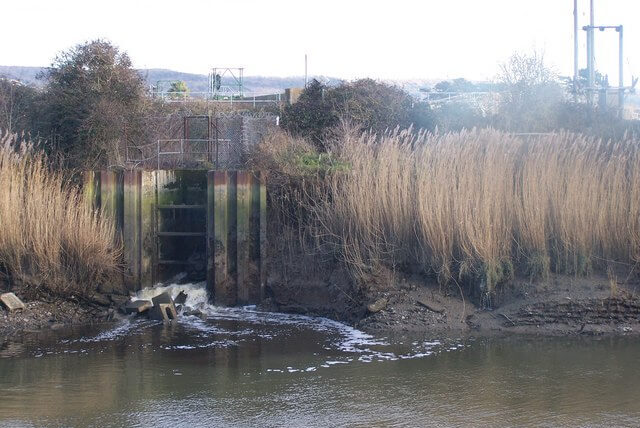
Environment Agency Challenges the Analysis
The Environment Agency disputed Hammond’s interpretation of the rainfall threshold.
The EA said the “heavy rain” definition used in his analysis applied only to sites operated by Southern Water.
It also said rainfall levels vary across England, meaning different regions can have different thresholds.
Hammond said he had repeated his analysis while taking regional rainfall differences into account.
He said this did not significantly change the results because most sewage spills occurred when rainfall levels were relatively low.
Environment Agency Faced Previous Criticism
Questions over sewage regulation are not new.
In 2024, the Office for Environmental Protection (OEP) ruled that the Environment Agency was not correctly applying legislation governing when sewage could legally be discharged.
The OEP said the EA was allowing water companies to discharge sewage during “normal” weather rather than only during “exceptional circumstances”, as required by law.
Following the report, the EA issued new guidance last year making clear that sewage spills should not occur during normal weather conditions.
However, when questioned, the EA declined to confirm that sewage discharges should only occur during “exceptional circumstances”.
It said it would “always take action” when there had been a breach of the law.
The EA also said that proving a criminal offence requires consideration of several factors, including site conditions, permits and rainfall levels.
Water Companies Say They Want to End Sewage Discharges
Water UK, which represents Britain’s water companies, rejected the suggestion that the industry was deliberately exploiting weak regulation.
In response to Hammond’s analysis, a spokesperson said:
“As confirmed by the High Court and the Office for Environmental Protection, discharges should only occur in ‘exceptional circumstances’ or if preventing them is technically possible but would involve excessive cost.
“In any case, we want to end all discharges and are working to end them as fast as we physically can.”
The statement comes amid growing public anger over sewage pollution across England.
Sewage Pollution Threatens England’s Waterways
Raw sewage can introduce harmful pollutants, bacteria and nutrients into rivers, lakes and coastal waters.
Frequent sewage discharges can damage freshwater ecosystems and contribute to declining water quality. They can also affect wildlife and make waterways less suitable for recreation.
The latest analysis raises further questions about whether England’s sewage regulations are being properly enforced.
If most sewage spills are occurring during relatively low rainfall, it could indicate that storm overflows are being used far more frequently than intended.
Stronger Action Is Needed to Protect Rivers
England’s rivers and waterways are valuable ecosystems that support fish, insects, birds, plants and other wildlife.
Reducing sewage pollution will require investment in ageing infrastructure, stronger regulation and effective enforcement when environmental laws are broken.
The debate over what constitutes “normal” and “exceptional” weather also highlights the need for clear and transparent rules.
Until sewage discharges are significantly reduced, England’s waterways will continue to face unnecessary pollution.
Protecting rivers from sewage is not only about improving water quality. It is also essential for restoring healthier freshwater ecosystems and giving wildlife the clean, thriving habitats it needs.
Supporting Healthier River Ecosystems
At Natural World Fund, we believe nature recovery requires practical action to protect our rivers, restore their habitats, support wildlife and create healthier ecosystems for the future.
Image sources
- Outfall_from_Sewage_Works_-_geograph.org.uk_-_1097322 by David Anstiss. Cropped and resized from original: Wikipedia Commons
- Sewage_works_outfall_into_the_River_Wear_-_geograph.org.uk_-_7512352 by Tim Heaton. Cropped and resized from original: Wikipedia Commons