


Oceans Reach Record Heat Levels in 2025, Intensifying the Climate Crisis
The world’s oceans absorbed unprecedented amounts of heat in 2025, setting a new global record and accelerating the impacts of climate change, according to leading scientists. This alarming trend is fuelling more extreme weather, rising sea levels, and widespread damage to marine ecosystems.
Ocean warming is one of the clearest and most concerning indicators of the climate emergency — and it will continue until global carbon emissions fall to zero.
Why Ocean Heat Is a Critical Climate Indicator
More than 90% of the excess heat caused by human carbon pollution is absorbed by the oceans. Because of this, ocean heat content provides a far more reliable long-term measure of global warming than air temperature alone.
Almost every year since the early 2000s has broken the previous record for ocean heat, highlighting the relentless pace of climate change and the urgent need for action.
How Warmer Oceans Drive Extreme Weather
Rising ocean temperatures are directly linked to more frequent and severe climate impacts, including:
- Stronger hurricanes and typhoons hitting coastal communities
- Heavier rainfall and increased flooding
- Longer and more intense marine heatwaves, devastating coral reefs and marine life
Ocean warming also causes thermal expansion of seawater, making it a major contributor to sea level rise and putting billions of people at risk worldwide.
Oceans Are Hotter Than at Any Time in Millennia
Reliable ocean temperature records date back to the mid-20th century, but scientists believe today’s oceans are likely the warmest they have been in at least 1,000 years — and are heating faster than at any time in the past 2,000 years.
This rapid warming is pushing marine ecosystems beyond their limits and undermining the natural systems that regulate Earth’s climate.
Ocean Heat vs Atmospheric Temperature
While the oceans store vast amounts of heat, the atmosphere holds much less and is more influenced by natural climate cycles such as El Niño and La Niña.
In 2025, average global air temperatures are expected to roughly tie with 2023 as the second-hottest year on record, following 2024 as the hottest since measurements began in 1850. Despite the shift into the cooler La Niña phase, ocean heat levels continued to climb — underscoring the scale of human-driven warming.
Each year the planet is warming – setting a new record has become a broken record,” said Prof John Abraham at the University of St Thomas in Minnesota, US, and part of the team that produced the new data.
“Global warming is ocean warming,” he said. “If you want to know how much the Earth has warmed or how fast we will warm into the future, the answer is in the oceans.”
The findings, published in the journal Advances in Atmospheric Sciences are based on data collected from a wide range of ocean-monitoring instruments. Three independent scientific teams analysed this data to calculate the heat content of the upper 2,000 metres of the ocean, where most excess heat is absorbed.
The amount of heat stored is staggering — more than 200 times the total electricity used globally each year.
Regional Hotspots and Growing Polar Risks
Ocean warming is not evenly distributed. In 2025, the fastest-warming regions included:
- The tropical oceans
- The South Atlantic
- The North Pacific
- The Southern Ocean surrounding Antarctica
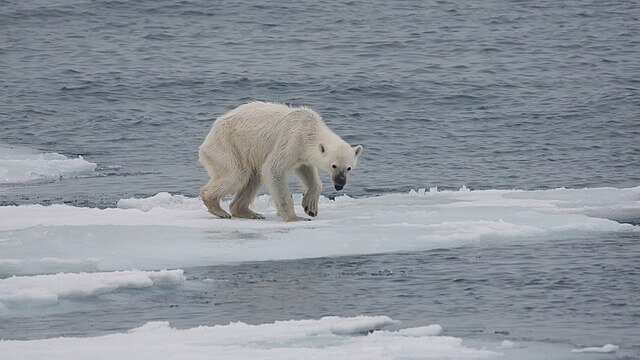
Scientists are particularly alarmed by the Southern Ocean, where recent years have seen a dramatic collapse in winter sea ice, with serious implications for global climate stability.
A Changing Ocean Threatens Marine Life
The North Atlantic and Mediterranean Sea are becoming warmer, saltier, more acidic, and lower in oxygen. These combined changes are driving what researchers describe as a “deep-reaching ocean state change”, making marine ecosystems — and the communities that depend on them — increasingly fragile.
“As long as the Earth’s heat continues to increase, ocean heat content will continue to rise and records will continue to fall,” said Abraham. “The biggest climate uncertainty is what humans decide to do. Together, we can reduce emissions and help safeguard a future climate where humans can thrive.”
At Natural World Fund, we support conservation and climate action projects that protect oceans and the ecosystems that sustain life on Earth.
Image sources
- Endangered_arctic_-_starving_polar_bear (2): Wikipedia Commons
- Ocean_beach_at_low_tide_against_the_sun (1): Wikipedia Commons