

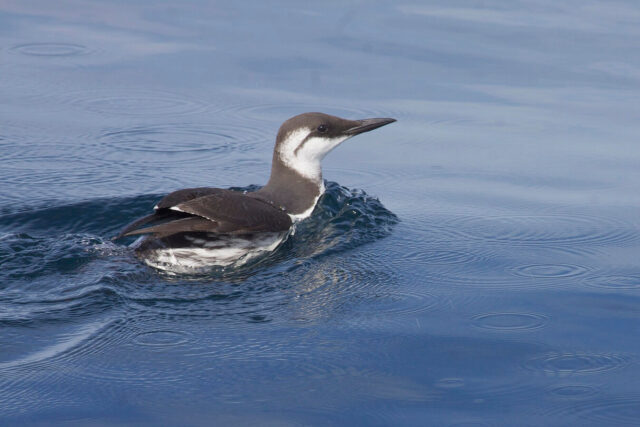
California Marine Heat Wave Leaves Thousands of Seabirds Starving
A prolonged marine heat wave off the California coast is causing widespread seabird deaths, with scientists warning that the situation could deteriorate further as El Niño strengthens.
Marine researchers and volunteers have documented increasing numbers of dead seabirds washing ashore, with many believed to have starved after unusually warm ocean temperatures disrupted the marine food chain. Experts say the event highlights the growing impact of climate change on marine ecosystems and coastal wildlife.
Scientists Record Rising Numbers of Dead Seabirds
Within minutes of surveying a beach in San Diego, marine ornithologist Tammy Russell found multiple seabird carcasses scattered among washed-up kelp and beneath rocks.
Each month, scientists and volunteers carry out beach surveys to monitor seabird mortality. These long-running programmes provide valuable baseline data that helps researchers identify emerging threats to marine wildlife.
Many of the birds found in recent months—including California brown pelicans, loons and grebes—appear to have died from starvation after record ocean temperatures reduced the cold, nutrient-rich waters where krill, anchovies and sardines normally thrive close to shore.
“We’ve been seeing cormorants walk to shore and then just die within the hour. I mean, one time it happened within 15 minutes, and I’ve never seen that before,” Russell said. “That has been heartbreaking for me and we’re seeing this happening across the whole coast.”
Warm Oceans Are Disrupting the Marine Food Chain
Scientists say the prolonged marine heat wave has dramatically altered ocean conditions along the California coast.
As surface waters warm, cold-water species move farther north or into deeper waters. This shift reduces food availability for seabirds, marine mammals and other predators that rely on coastal fish populations.
The National Oceanic and Atmospheric Administration (NOAA) confirmed in June that an El Niño event had formed, with forecasts suggesting it could become historically strong. Researchers warn that the combination of El Niño and the existing marine heat wave could intensify ecological disruption and extend its effects into 2027.
Scripps Institution of Oceanography has recorded exceptionally high ocean temperatures at several long-term monitoring stations, with some locations breaking historical records for more than 40 consecutive days. Robotic underwater gliders have also detected unusually warm temperatures both offshore and at depth.
Wildlife Experts Fear the Situation Could Worsen
Russell believes the full impact of the marine heat wave remains uncertain.
“We don’t know how bad this is going to get,” she said.
She has also documented five species of booby birds becoming increasingly common off California as warming oceans alter species distributions.
Wildlife rehabilitation centres have treated hundreds of severely malnourished seabirds during the spring.
“It’s not abnormal to see dead birds on the beach, but the quantity of dead birds is unusual,” JD Bergeron, the CEO of International Bird Rescue, said during an interview.
Bergeron explained that starving brown pelicans are increasingly travelling inland in search of food.
“When birds starve, especially the pelicans, they start to look in unusual places for food,” he said. “They will chase fishing boats, they will go to piers, and you end up with birds with fishing line and fishhook injuries.”
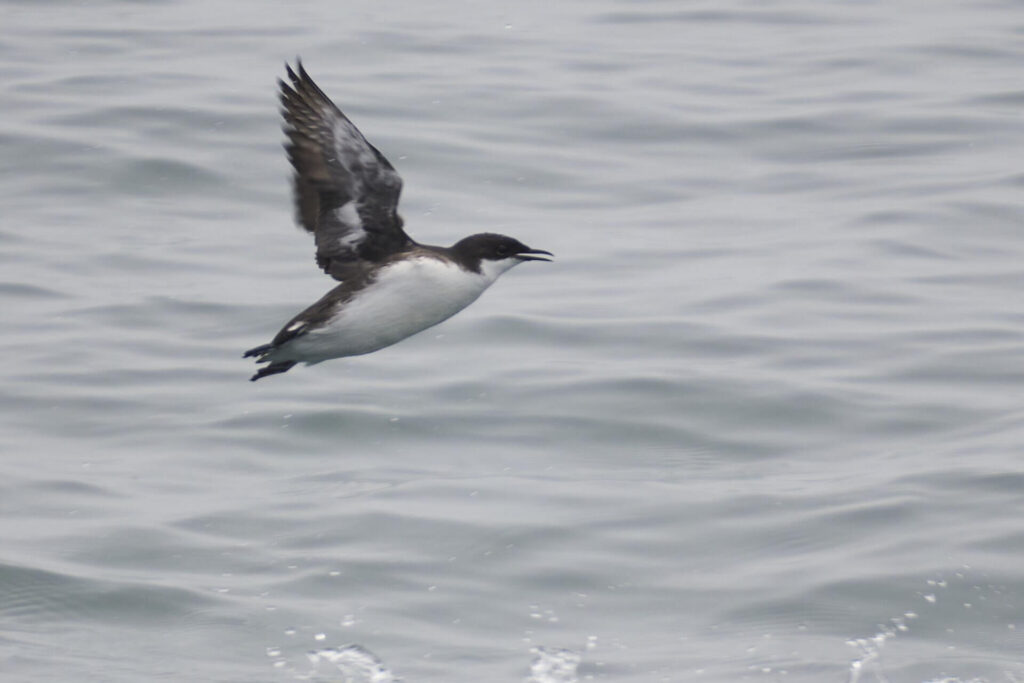
Young Seabirds Among the Hardest Hit
According to the California Department of Fish and Wildlife, many of the dead or weakened seabirds examined this year were young and severely underweight. Most tested negative for avian flu, although some showed infections associated with malnutrition.
Scientists caution that not every death can be directly attributed to the marine heat wave.
Krysta Rogers, a senior state environmental scientist, said high mortality among young Brandt’s cormorants and common murres followed a strong 2025 breeding season and may partly reflect natural challenges faced by inexperienced birds after leaving the nest.
However, she noted that deaths across several other seabird species also increased during the marine heat wave, suggesting unusually warm ocean conditions are contributing to broader ecosystem stress.
Lessons From ‘The Blob’ Marine Heat Wave
Researchers are drawing comparisons with the devastating marine heat wave known as “The Blob”, which developed in 2013 off Alaska before spreading south along the Pacific coast.
The event persisted for several years and overlapped with one of the strongest El Niño events on record in 2015, causing widespread ecological damage.
One of its most severe impacts was the largest recorded seabird die-off ever documented in the world’s oceans, with millions of common murres starving after their food supplies collapsed.
Although common murres are capable of flying long distances and diving to depths of nearly 183 metres (600 feet) to catch fish, they have extremely high energy demands. Scientists estimate they must consume prey equal to between 10% and 30% of their body weight each day. Without enough food, they can exhaust their fat reserves and reach critical starvation levels within just three days.
A 2024 study published in Science estimated that more than four million common murres—over half of Alaska’s population—died during “The Blob.” Researchers say the species is still struggling to recover.
A Warning for Marine Conservation
Scientists emphasise that seabird die-offs have occurred naturally throughout history. However, warming oceans driven by climate change are making prolonged marine heat waves more common and increasing the likelihood of widespread ecosystem disruption.
As ocean temperatures continue to rise, researchers warn that protecting marine ecosystems and reducing climate change remain essential to safeguarding seabirds, marine mammals and the wider biodiversity that depends on healthy oceans.
“The UK may account for just 1% of current global emissions, but we’re responsible for 100% of our own emissions, and we have the opportunity to show global leadership by bringing them down.”
Protecting Our Oceans for Wildlife and Future Generations
At Natural World Fund, we believe healthy oceans are essential for the survival of seabirds, marine mammals and countless other species. As climate change drives rising ocean temperatures and more frequent marine heatwaves, protecting marine ecosystems and restoring nature has never been more important. By supporting conservation, habitat restoration and climate action, we can help build healthier, more resilient seas for wildlife and future generations.
If you care about restoring native wildlife, support the work of Natural World Fund today.
Image sources
- Craveris-murrelet-flight-aug-2025 by Grigory Heaton. Cropped and resized from original: Wikipedia Commons
- Common_Murre_or_Common_Guillemot_(Uria_aalge)_(10573291084) by Gregory “Slobirdr” Smit. Cropped and resized from original: Wikipedia Commons