

Earth May Be Home to Up to 30 Million Insect Species, New Research Suggests
Scientists have discovered that the number of insect species on Earth could be far higher than previously believed, highlighting just how much of the planet’s biodiversity remains unknown.
An international team of researchers, including Dr Robert Puschendorf from the University of Plymouth, estimates there are between 14 and 30 million insect species worldwide. This is a dramatic increase from the long-standing estimate of around six million species.
The findings suggest that the vast majority of insects have yet to be identified or named, reinforcing the urgent need to study and protect the world’s biodiversity.
DNA Analysis Reveals Hidden Insect Diversity
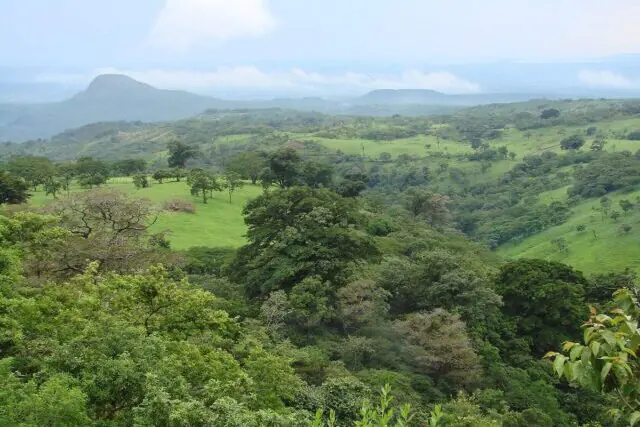
The research team analysed more than 1.6 million DNA-barcoded insects collected from Área de Conservación Guanacaste (ACG), a UNESCO World Heritage Site in Costa Rica that is internationally recognised for its extraordinary biodiversity.
By combining extensive insect sampling with modern DNA barcoding techniques, scientists uncovered evidence that many species previously thought to be the same are, in fact, distinct species.
Dr Robert Puschendorf said:
“Diversity is really hard to quantify, but what this new study shows is that we have completely underestimated the insects.”
Why Counting Species Matters for Conservation
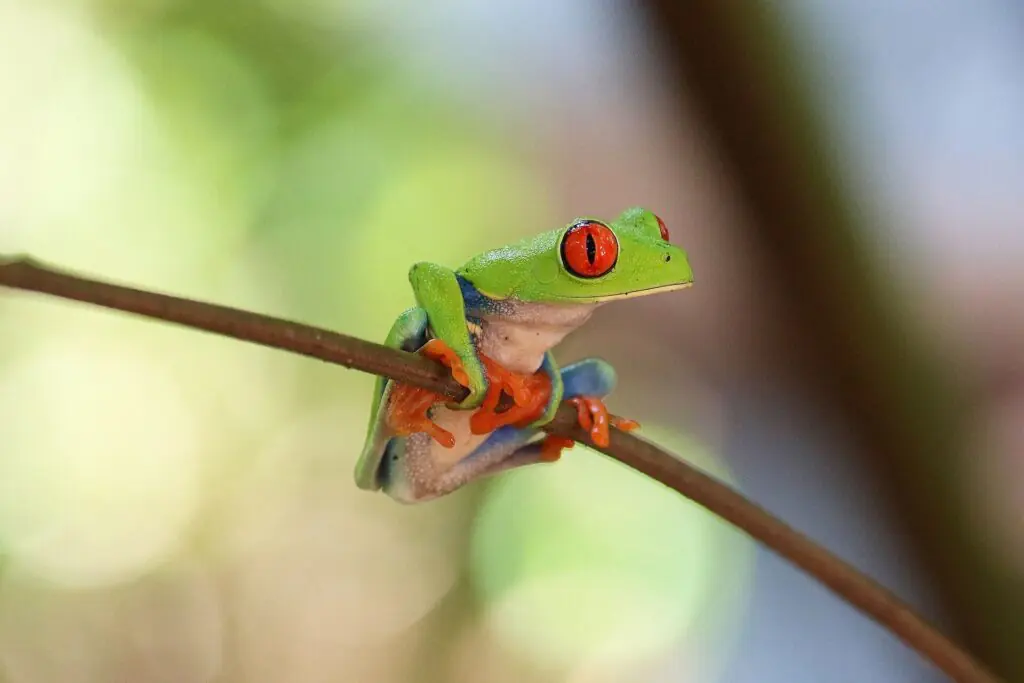
As part of the study, Dr Puschendorf highlighted how populations of amphibians have changed over recent decades due to pressures including climate change and deforestation.
He explained that there was:
“always a big debate about how much life exists on our planet”.
He added:
“The argument we, as conservationists, make is that, if you do not know what you have, how can you manage it?”
The findings demonstrate why accurately identifying species is essential for effective conservation planning. Without knowing what exists, scientists cannot fully understand what is being lost or prioritise protection efforts.
New Techniques Could Transform Global Biodiversity Research
Although the study focused on Costa Rica, the researchers say the same scientific methods could be applied worldwide.
Dr Puschendorf said:
“While it [the study] is focused on Costa Rica, a place very close to my heart, these same techniques can be applied anywhere in the world – including here in the UK.
“Only by doing that will we truly understand the species we share our planet with, the species we have already lost and how we can best protect the survivors going forward.”
Applying these techniques more broadly could significantly improve scientists’ understanding of biodiversity and reveal thousands—or even millions—of species that remain undiscovered.
Millions of Insect Species Still Have No Name
To reach their estimates, researchers combined multiple collection techniques, ecological observations, DNA barcoding and statistical modelling. They also cross-referenced their findings with data from other groups of organisms, including trees, amphibians and moths.
The different methods consistently revealed an exceptionally high number of cryptic species—species that appear similar but are genetically distinct—showing that much of Earth’s biodiversity remains hidden.
According to the team’s conservative estimate, between 93% and 97% of all insect species have not yet been formally named.
International Collaboration Advances Biodiversity Science
The research was led by scientists from Cornell University, the University of Colorado and the University of Kentucky, with contributions from researchers including Dr Robert Puschendorf at the University of Plymouth.
The findings provide one of the strongest indications yet that global biodiversity is far richer than previously understood and underline the importance of continued research to identify, monitor and conserve the world’s insect life before more species disappear.
Supporting Biodiversity Conservation
At Natural World Fund, we believe that understanding and protecting biodiversity begins with knowing what species share our planet. Research that uncovers previously unknown insect species highlights just how much of Earth’s wildlife remains undiscovered and why conserving habitats has never been more important. By protecting ecosystems, restoring natural habitats and supporting scientific research, we can help safeguard the countless species that underpin healthy, resilient environments.
If you care about restoring native wildlife, support the work of Natural World Fund today.
Image sources
- Red-eyed_tree_frog_in_Costa_Rica_01 by Bernard Gagnon. Cropped and resized from original: Wikipedia Commons
- A_Guanacaste_view by Tizianok. Cropped and resized from original: Wikipedia Commons