

Nearly 8 Million Native Trees Grown Through Volunteer-Led Atlantic Rainforest Restoration in Scotland
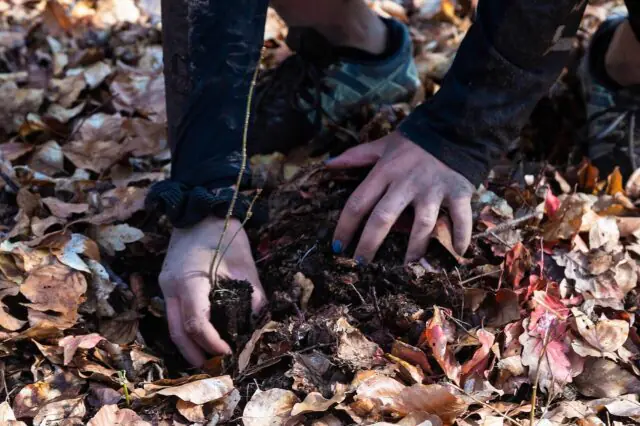
A dedicated network of volunteers has helped grow almost 8 million native trees in Scotland after collecting 11 million seeds by hand, making a major contribution to restoring the country’s rare Atlantic rainforest.
The initiative has seen around 100 volunteers spend thousands of hours gathering seeds from ancient woodlands across the western Highlands and islands. By collecting locally adapted tree species, the project is helping ensure Scotland’s temperate rainforest can recover with genetically resilient native trees suited to changing environmental conditions.
Volunteers Driving Native Woodland Restoration
The volunteers, who include retired teachers, doctors, office workers and young families, have travelled into remote woodlands across western Scotland to locate seed-bearing native trees.
Using detailed maps created by NatureScot and Scottish Forestry, they search ancient woodland fragments, often scrambling across exposed hillsides to reach suitable trees growing in challenging locations.
The volunteers collect seeds from native species believed to have naturally colonised Scotland after the last Ice Age, including:
- Hazel
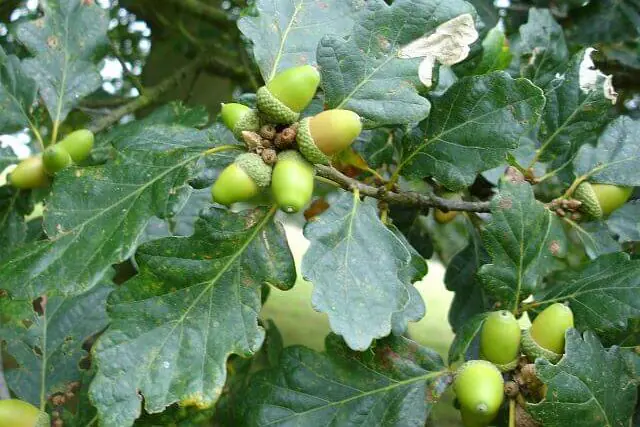
- Sessile oak
- Dwarf birch
- Willow
- Juniper
- Birch
- Wild cherry
- Wych elm
- Yew
- Elder
Why Local Native Trees Matter
Ecologists involved in the project say these native trees possess genetic adaptations that allow them to thrive within Scotland’s unique Atlantic coastal environment.
Having evolved in specific microclimates and soil conditions, these local populations are better equipped to withstand harsh weather and future climate change than non-native planting stock.
Only around 30,000 hectares of Scotland’s original Atlantic rainforest now remain. This internationally important temperate habitat survives in scattered fragments along the country’s moist western coastline and is now the focus of large-scale restoration programmes.
From Seed Collection to New Forests
After collection, the seeds are carefully graded and checked at Trees for Life’s nursery at Dundreggan, near Inverness.
Once grown into healthy saplings, the young trees are returned to the appropriate seed zones identified by forestry experts, ensuring locally adapted genetics remain within their native landscapes.
Many of the saplings are then used in woodland restoration projects led by the Woodland Trust, including:
- Gleann Shìldeag
- Assynt in Wester Ross
- Beò Airceig, a 30,000-hectare restoration project around Loch Arkaig in Lochaber
Additional trees have also been supplied to crofters creating small native woodlands on former grazing land.
Volunteers Helping Future Generations
One volunteer, biology graduate Sheena Macaulay from near Oban, combines seed collection with butterfly conservation while searching woodland habitats.
She said:
“We need to regenerate for the generations coming behind us.
“I mentioned it to my neighbours and one actually joined up as well. Another friend down in Glasgow, she joined a group down there. So, rather than moaning about climate change, actually do something.”
Learning About Scotland’s Temperate Rainforest
Volunteer coordinator Roz Birch from Trees for Life turns each seed collection outing into a practical ecology lesson.
Volunteers learn how to distinguish native sessile oak from common English oak by examining acorns, leaves and twig structure. They also discover the remarkable biodiversity supported by Atlantic rainforest trees, whose bark hosts rich communities of mosses, lichens and liverworts.
Explaining how native trees cope with the challenging coastal environment, Birch said:
“You do have really extreme high winds and storms that will pass through. Again, the trees are pretty well adapted to that environment.”
She also highlighted the global importance of these habitats:
“The uniqueness of the rainforest zone is there will be bryophytes, lichens, whole ecosystems on these trees and within these woodlands, that you can’t really find anywhere else apart from the west coast of Scotland and Wales and the south-west of England.”
Climate Change Is Altering Seed Collection
The project relies on careful ecological monitoring alongside long-term woodland records.
According to Birch, seasonal shifts linked to climate change are already affecting seed collection. Some species are ripening earlier than in previous years, while unusually dry springs can reduce seed production in rowan trees but increase it in hawthorn, requiring collection dates to be adjusted or cancelled altogether.
Filling an Important Conservation Gap
Many of the ancient woodland sites visited by volunteers are simply too remote or expensive for commercial seed collectors to access.
As a result, this citizen-led initiative fills a vital gap in Scotland’s native woodland restoration efforts by preserving valuable local genetics that might otherwise be lost.
Originally planned as a one-year project, the programme has now secured funding for a fourth year through support from the Postcode Lottery via Woodland Trust Scotland, Trees for Life appeals, the BrITE Foundation and the Clean Planet Foundation.
Project supporters believe it is now the largest citizen-led reforestation programme of its kind.
“You’re Literally Growing the Future”
Marine biologist Laura Corbe says volunteering offers an opportunity to slow down and reconnect with nature while making a lasting contribution to woodland recovery.
She said:
“You’re literally growing the future. And that’s a beautiful thing, isn’t it? I don’t think people really understand the significance of the rainforest, even people who’ve lived here their whole lives.”
Supporting UK Woodland Conservation
At Natural World Fund, we recognise that restoring native woodlands is about far more than planting trees. By using locally sourced native species adapted to their natural environment, conservation projects can rebuild resilient ecosystems that support wildlife, capture carbon and strengthen landscapes against climate change. The dedication of volunteers across Scotland demonstrates how community action can play a vital role in protecting one of the UK’s rarest and most valuable habitats.
If you care about restoring native wildlife, support the work of Natural World Fund today.
Image sources
- Acorns_of_the_sessile_oak_-_geograph.org.uk_-_575852 by Penny Mayes. Cropped and resized from original: Wikipedia Commons
- Earth_Day-_Ramstein_sows_seeds_(6617556) by Milton Hamilton. Cropped and resized from original: Wikipedia Commons