

UN Warns Global Sand Extraction Is Destroying Ecosystems and Coastal Communities
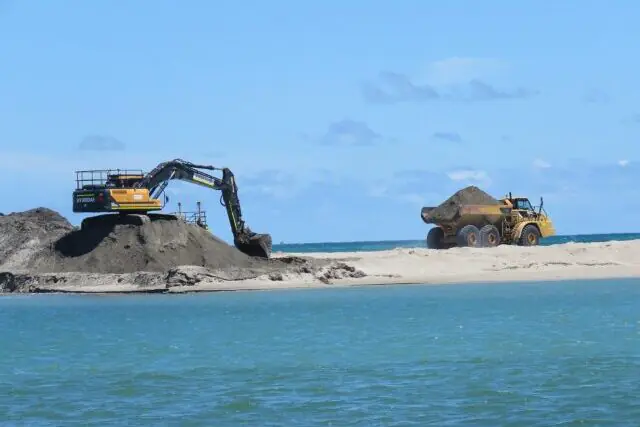
The rapid extraction of sand around the world is threatening ecosystems, coastal protection and vulnerable communities, according to a new UN report warning that demand is outpacing nature’s ability to replenish the resource.
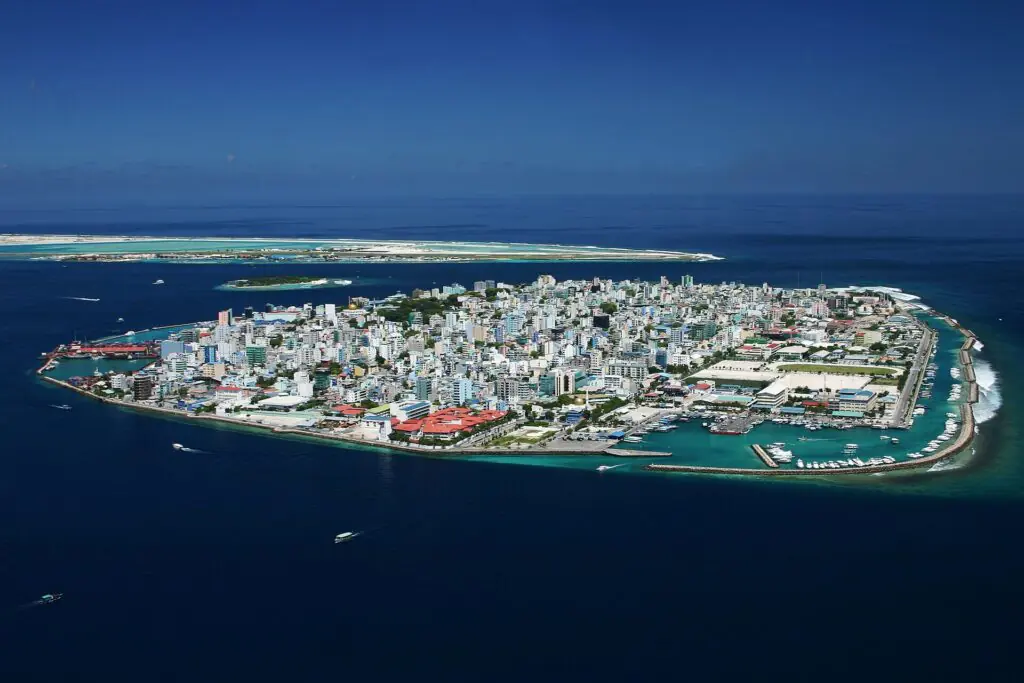
In the Maldives, the issue is becoming increasingly urgent. The capital city of Malé is one of the most densely populated cities in the world, while also facing severe threats from rising sea levels caused by climate change. As the country’s living space shrinks, authorities have turned to large-scale land reclamation projects to create new urban areas.
However, environmental experts warn that the growing global demand for sand is causing widespread ecological destruction and putting long-term environmental stability at risk.
Why Sand Is Becoming a Global Environmental Crisis
Urban development and industrial growth currently consume around 50 billion tonnes of sand every year, and that demand is expected to continue rising.
A new United Nations report warns that sand is being extracted faster than natural systems can replace it, placing ecosystems, biodiversity and local livelihoods under increasing pressure.
Pascal Peduzzi, the director of the Unep global resource information database Geneva, which prepared the report, said: “Sand is sometimes referred to as the unrecognised hero of development, but its essential role in sustaining the natural services on which we depend is even more overlooked. Sand is our first line of defence against sea level rise, storm surges, and salination of coastal aquifers – all hazards exacerbated by climate change.”
Sand is the most extracted solid material on Earth and is heavily used in construction, concrete production, roads, sea walls and building foundations. It is also essential in the manufacturing of glass, silicon chips and solar panels.
Yet scientists warn that sand also plays a critical ecological role when left undisturbed. It helps regulate rivers, protects coastal aquifers, filters water and supports biodiversity in marine and freshwater ecosystems.
Maldives Land Reclamation Project Raises Environmental Concerns
The UN report highlights the Maldives as a major example of the environmental trade-offs linked to sand extraction.
In 2019, the Maldivian government commissioned a Dutch company to reclaim land by filling in the lagoon surrounding the island of Gulhifalhu near Malé. The 192-hectare project required 24.5 million cubic metres of sand to be dredged from northern Malé atoll.
Just six months later, an environmental assessment concluded that the environmental damage caused by the project would be irreversible. However, contracts for the development had already been finalised.
According to the report, the Gulhifalhu reclamation project destroyed around 200 hectares of coral reef and lagoon habitat, including marine protected areas.
The UN also found that approximately half of dredging companies globally were operating within marine protected areas, accounting for around 15% of all dredged sand volumes.
Sand Dredging Threatens Marine Life and Fisheries
Environmental experts warn that dredging and land reclamation projects can permanently alter marine ecosystems and damage coastal biodiversity.
The report states that the destruction of coral reefs and lagoon habitats threatens fish, turtles, birds, crabs and numerous other species that support fisheries, tourism and marine ecosystems.
“Land reclamation inevitably leads to the permanent modification of the substrate, the destruction of flora and fauna, and coastal erosion.”
The impacts are not limited to the Maldives.
In the Philippines, dredging linked to a 1,700-hectare airport project removed 155 million cubic metres of sand from Manila Bay, devastating local fishing communities after fish populations failed to recover.
Meanwhile, in South Sulawesi, Indonesia, dredging for urban development projects reduced fishing community incomes by approximately 80% after prime fishing grounds were disrupted.
Calls for Stronger Regulation of Sand Extraction
According to Unep, tackling the growing environmental crisis caused by sand extraction will require major reforms in governance, monitoring and environmental planning.
The report recommends better mapping and ecological monitoring systems to identify sensitive areas where dredging should be restricted. It also calls for stronger transparency and improved enforcement of environmental protections.
Climate Change Increases Pressure on the Maldives
The Maldives remains one of the world’s most climate-vulnerable nations, with more than 80% of its land sitting less than one metre above sea level.
Without land reclamation and coastal protection projects, many islands face increasing risks from flooding, erosion and rising seas linked to global heating.
However, experts warn that large-scale urban expansion may create new environmental and social risks. A technical analysis of the Gulhifalhu land-use plan reportedly concluded that the reclaimed area was designed for population densities that could result in nothing less than “urban disaster”.
As climate change accelerates and demand for construction materials rises, environmental scientists warn that the global sand crisis could become one of the most overlooked sustainability challenges of the coming decades.
Support Environmental Conservation Efforts
At Natural World Fund, we support action to reduce the environmental impacts of human activity that are driving climate change and biodiversity loss. The UN warns that unsustainable sand extraction and large-scale land reclamation are damaging coastal ecosystems, threatening wildlife and weakening natural coastal protection. Stronger environmental policies and sustainable development are essential to protect biodiversity and build climate resilience.
If you care about restoring native wildlife, support the work of Natural World Fund today.
Image sources
- Male-total by Shahee Ilyas. Resized from original: Wikipedia Commons
- Sand_mining_at_Tern_Island_Nature_Reserve,_November_2022_05 by Calistemon. Cropped and resized from original: Wikipedia Commons