
Conservation project brings back a vital woodland species
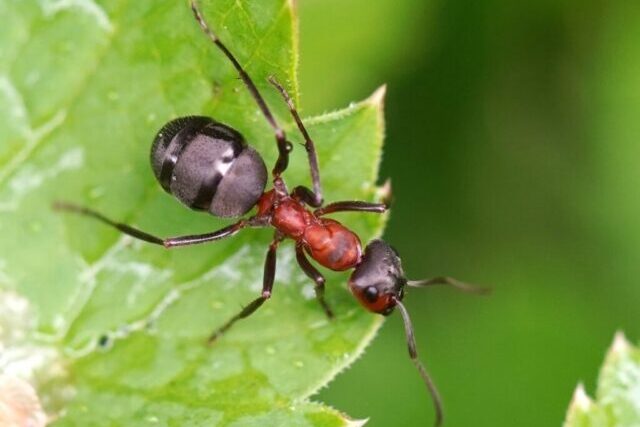
Southern red wood ants have been reintroduced to woodland near Bridgnorth in Shropshire as part of a conservation project to restore biodiversity and improve woodland health.
The project is led by the National Trust in partnership with Swansea University and ant conservation specialists Ant Antics.
Conservationists have carefully relocated colonies to Comer Woods on the Dudmaston Estate. The woodland offers the right mix of sunlight, habitat and food needed for the ants to establish new colonies.
Southern red wood ants are considered a keystone species because they play an essential role in keeping woodland ecosystems healthy.
Why southern red wood ants matter
These ants help maintain the natural balance of woodland habitats in several ways.
They improve soil health, regulate insect populations and support the wider woodland food web. They also provide natural pest control by feeding on insects such as caterpillars and aphids that can damage trees.
In addition, their large dome-shaped nests create biodiversity hotspots. These nests provide shelter and resources for many other woodland species.
Ewan Chapman, countryside manager for the National Trust, said:
“Southern red wood ants play an extraordinary role in woodland ecosystems.”
He added:
“By bringing them back to Comer Woods, we’re restoring natural processes that support healthier soils, richer biodiversity and more resilient woodlands.
“This project is a great example of how targeted conservation action can help rebuild the complex relationships that make these landscapes thrive.”
A species in decline across the UK
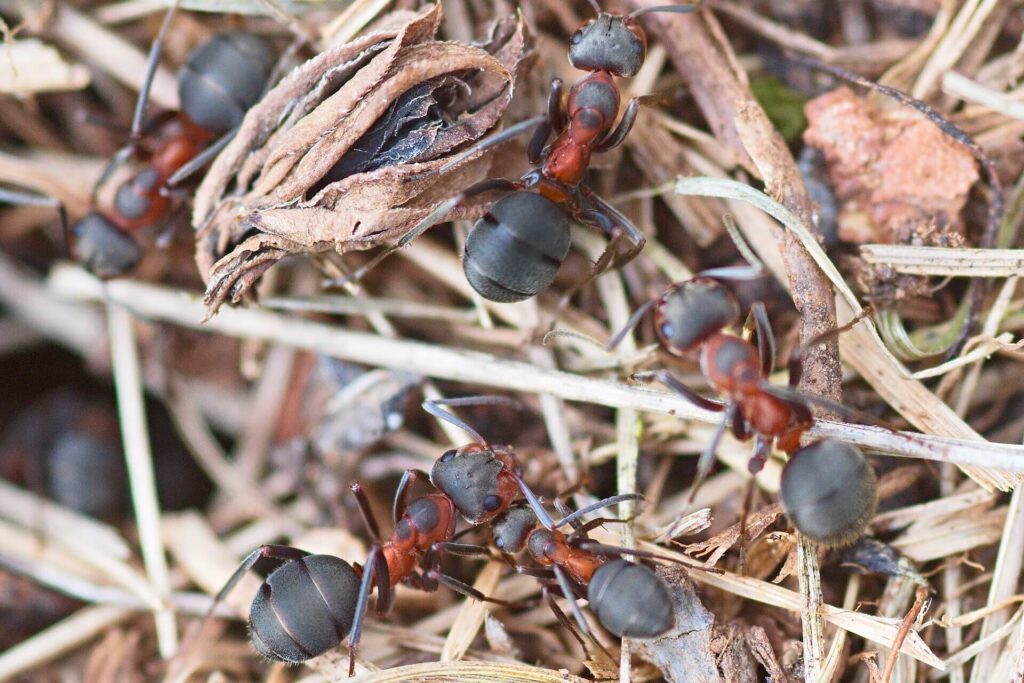
Southern red wood ants have declined across the UK because of habitat loss, woodland fragmentation and changes in land management.
As a result, many sunny woodland edges and open glades that the ants depend on have disappeared.
The species has vanished completely from some parts of the country, including much of the Midlands, East and North of England.
Southern red wood ants are now listed as Near Threatened on the International Union for Conservation of Nature (IUCN) Red List of Threatened Species.
Meanwhile, the Comer Woods project also supports wider conservation work across the region. This includes habitat restoration and further ant reintroductions at Kinver Edge, another National Trust site.
Scientists will monitor the new colonies
Researchers from Swansea University helped identify suitable habitats before the ants were moved.
The team will now monitor the colonies as they become established. They will also study how the ants influence the surrounding woodland ecosystem over time.
Dr Wendy Harris, from Swansea University, said:
“Wood ants are true ecosystem engineers. Their nests influence soil nutrients, plant growth and whole communities of other invertebrates.
“Reintroducing them allows us not only to restore a lost species but also to study how their presence helps woodland ecosystems recover and function more naturally over time.”
Helping woodlands recover naturally
The return of southern red wood ants is an important step in restoring natural woodland processes in Shropshire.
By bringing back this keystone species, conservationists hope to improve biodiversity, strengthen woodland resilience and create healthier habitats for wildlife.
Supporting UK Woodland Conservation
At Natural World Fund, we believe that protecting ecosystems means restoring not only habitats but also the species that keep them functioning. Supporting conservation projects that rebuild natural ecological relationships is essential for creating resilient woodlands capable of adapting to environmental change and sustaining biodiversity into the future.
If you care about restoring native wildlife, support the work of Natural World Fund today.
Image sources
- Mravenec_lesní_(Formica_rufa)_v_mraveništi_u_Ústí_nad_Labem by Topi Pigula. Cropped and resized from original: Wikipedia Commons
- Formica_rufa_03 by AfroBrazilian. Cropped and resized from original: Wikipedia Commons