
Government Urged to Strengthen Protection for Whales and Dolphins in the North Sea
Conservation groups have warned that the UK government is not doing enough to protect whales, dolphins and porpoises in the North Sea, despite large areas of British waters being officially designated as protected.
A new report, Priority Actions for North Sea Cetaceans 2026, published by The Wildlife Trusts, argues that current legal protections are often too weak, inconsistently enforced, and failing to address emerging threats facing marine mammals.
Conservation Report Highlights Gaps in Marine Protection
The report examines the state of cetacean conservation across the North Sea and evaluates the effectiveness of current safeguards.
Although many areas of UK waters are classified as protected marine zones, researchers say that legal measures often fail to provide meaningful protection in practice. Conservationists argue that stronger action is needed to tackle growing pressures on marine ecosystems.
Bex Lynam, Marine Advocacy Manager at North Sea Wildlife Trusts, said the UK must do “much more” to secure the future of whale, dolphin and porpoise populations.
Human Activity Continues to Threaten Marine Mammals
The report identifies several major threats affecting cetaceans in UK waters, including:
- Entanglement in fishing gear
- Disturbance from commercial shipping
- Noise pollution from vessels and offshore developments
- Habitat disruption affecting feeding and migration
Underwater noise is becoming an increasing concern for marine scientists because whales and dolphins rely heavily on sound to communicate, locate prey, navigate and avoid danger.
Excessive noise can interfere with these natural behaviours and may impact their long-term survival.
Flamborough Head Identified as an Important Feeding Area
Waters surrounding Flamborough Head on the Yorkshire coast are among the most important feeding grounds for whales and dolphins in the North Sea.
The eight-mile chalk headland supports rich marine ecosystems that attract a variety of species throughout the year.
The North Sea itself is recognised as a major hotspot for cetaceans, with 28 species of whales, dolphins and porpoises recorded in UK waters.
Common species regularly seen in the region include:
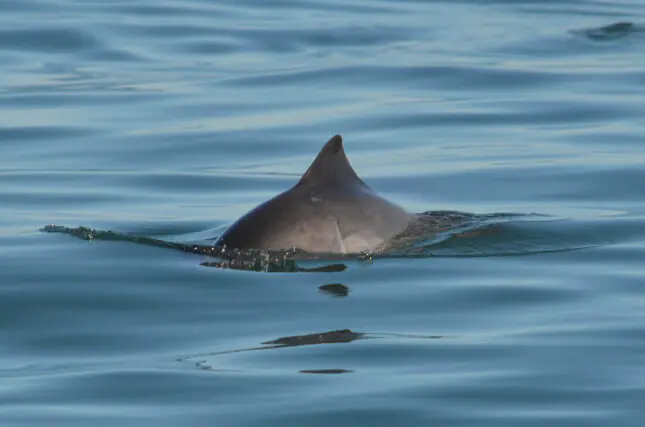
- Harbour Porpoise
- White-beaked Dolphin
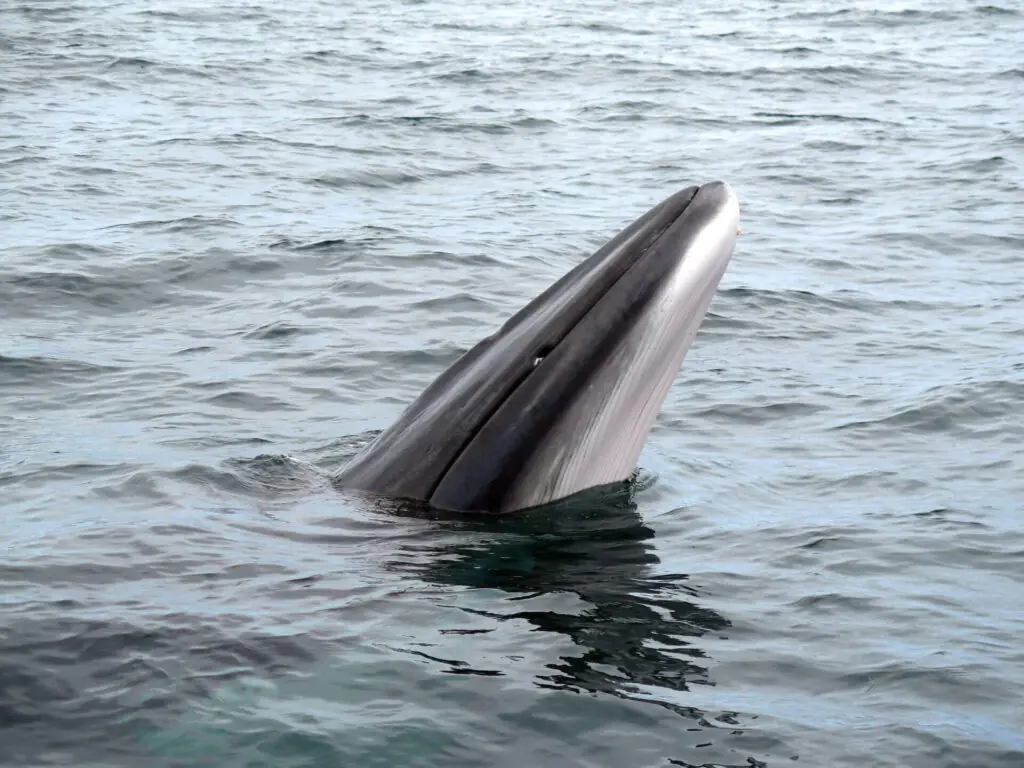
- Minke Whale
Ruth Williams, head of marine conservation at The Wildlife Trusts, said: “Our report reveals that action to protect dolphins, porpoises and whales is wholly inadequate. Simply designating areas as protected sites is not enough; what’s needed now is real action if whales, dolphins and porpoises are to flourish in our waters once more.
“That means managing our existing Marine Protected Areas, including those in the North Sea, more effectively to reduce the most harmful fishing practices, cut underwater noise from ships and offshore developments, better protect important feeding areas, and improve how we monitor these animals.
“If governments and industries act on the evidence already available, we can quickly reduce harm and give North Sea cetaceans a real chance to recover. However, without faster, clearer action, the UK risks falling further behind in protecting some of its best-loved marine species.”
Volunteers working along the East Yorkshire coastline regularly monitor marine activity and occasionally report sightings of dolphins and larger marine mammals moving along the coast.
Volunteer Andrew Garvey said: “While we are here to look after people, we do see, and can sometimes intervene and help, when animals and mammals are in distress.”
Government Says Action Is Already Underway
The UK government published a new UK Cetacean Conservation Strategy in December, committing to improved protection for whales, dolphins and porpoises across UK waters.
According to the Department for Environment, Food and Rural Affairs, all four UK governments are now working together on the next steps of the strategy.
Defra also highlighted environmental progress already being made, including increases in grey seal populations and reductions in plastic ingestion by seabirds through work with fisheries.
However, conservation groups argue that the strategy lacks specific targets and timelines.
Williams added: “If governments and industries act on the evidence already available, we can quickly reduce harm and give North Sea cetaceans a real chance to recover.
“However, without faster, clearer action, the UK risks falling further behind in protecting some of its best-loved marine species.”
Wildlife Trusts Call for Stronger Action
The Wildlife Trusts are urging the government to introduce clearer measures to better protect marine mammals, including:
- Temporary fishing restrictions during sensitive periods
- Adjustments to shipping routes in key habitats
- A national strategy to reduce underwater noise pollution
Conservationists say that without stronger enforcement and clearly defined actions, protected areas may fail to provide the safeguards whales, dolphins and porpoises need for long-term recovery.
Support Environmental Solutions
At Natural World Fund, we support stronger marine conservation policies that protect vulnerable species and restore healthy ocean ecosystems. Protecting whales, dolphins and porpoises requires more than designated protected areas — it also depends on reducing human pressures, safeguarding habitats and ensuring marine life can thrive for future generations.
If you care about restoring native wildlife in the UK, support the work of Natural World Fund today.
Image sources
- Balaenoptera_acutorostrata_2901229 by Nils. Cropped and resized from original: Wikipedia Commons
- Phocoena phocoena ssp. vomerina by Ben Phalan. Cropped and resized from original: Wikipedia Commons